

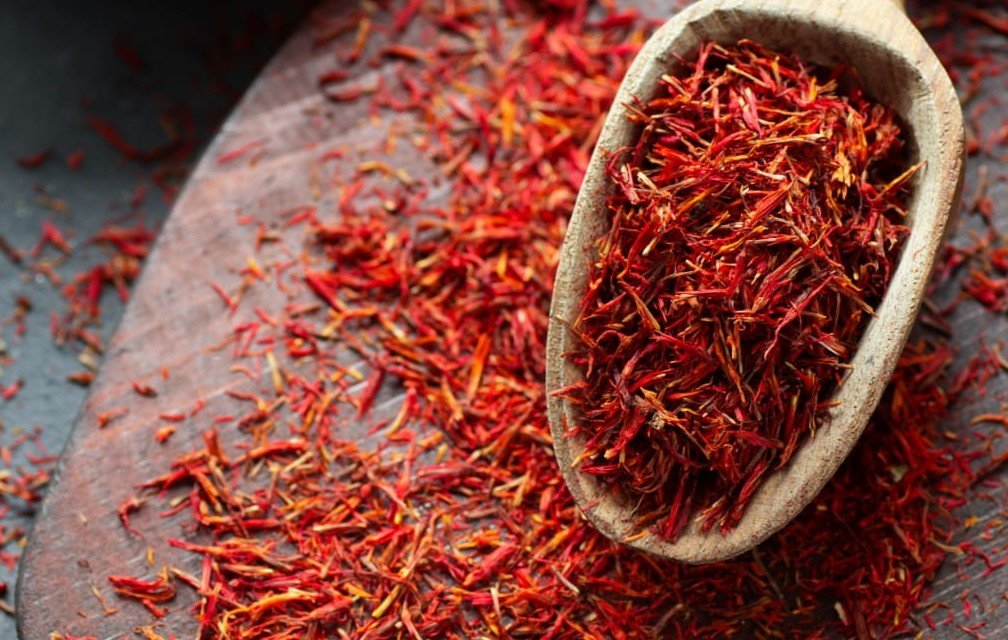
Saffron, often dubbed the “golden spice,” is more than a culinary treasure—it is a potent herb with a rich history of medicinal use. Harvested meticulously from the red stigmas of the Crocus sativus flower, saffron has been celebrated for centuries in Persian, Indian, and European traditions for its aroma, flavor, and therapeutic properties. Beyond its vibrant color and delicate fragrance, modern research continues to reveal saffron’s powerful bioactive compounds—crocin, safranal, and picrocrocin—which make it a remarkable natural supplement for daily health.
What Is Saffron?
Saffron is derived from the tiny crimson threads of the Crocus sativus flower. Each flower yields only three stigmas, making saffron one of the most expensive spices in the world. But the value is not merely in scarcity; it is in the spice’s bioactive compounds. Crocin provides potent antioxidant properties, safranal offers mood-enhancing benefits, and picrocrocin contributes to saffron’s distinct taste. Together, these compounds are responsible for many of the saffron health benefits recognized by both traditional and modern medicine.
Saffron Health Benefits
1. Mood Enhancement and Depression Support
Clinical studies suggest that saffron acts as a natural serotonin reuptake inhibitor, making it beneficial for mild to moderate depression. Daily consumption of saffron may help stabilize mood, improve mental clarity, and reduce symptoms of anxiety. Unlike synthetic antidepressants, saffron provides these benefits without severe side effects when consumed in recommended doses.
2. Brain Health and Cognitive Function
Saffron has been shown to improve memory, attention, and cognitive performance, particularly in aging adults. Research indicates that its antioxidant properties may help protect neurons from oxidative stress, potentially slowing cognitive decline associated with age-related conditions.
3. Menstrual Support and PMS Relief
Women dealing with premenstrual syndrome (PMS) or menstrual discomfort may find relief through saffron supplementation. Several studies confirm that saffron can reduce irritability, cramps, and mood swings, offering a natural alternative to conventional medications.
4. Eye Health
Saffron’s high antioxidant content, particularly crocin, supports eye health by protecting retinal cells from damage. Regular saffron intake has been linked to slowing the progression of age-related macular degeneration (AMD), making it a valuable addition to eye-care routines.
5. Sexual Health and Libido
Saffron may enhance sexual function and libido in both men and women. Clinical trials have demonstrated improvements in sexual desire, arousal, and satisfaction, positioning saffron as a natural alternative to synthetic aphrodisiacs.
6. Weight Management
Saffron can aid in weight management by naturally suppressing appetite. Consuming saffron in teas or meals may reduce snacking tendencies and promote satiety, supporting healthy weight loss strategies.
7. Sleep Quality
Some research indicates that saffron can improve sleep quality by reducing insomnia and promoting relaxation. Its calming properties may help users fall asleep faster and enjoy deeper, more restorative sleep.
How to Use Saffron Safely
The key to enjoying saffron’s health benefits is moderation. Studies suggest that a daily intake of up to 30 mg of saffron is generally safe for adults. This dosage can be incorporated into various recipes, teas, or milk. It is important to start with smaller amounts, such as 5-10 mg per day, to observe how your body responds before gradually increasing to the recommended dose.
Culinary Uses
Saffron adds both flavor and health benefits to foods. Popular uses include:
- Drinks: Saffron tea, saffron milk, or infused water.
- Meals: Biryani, paella, saffron risotto, or Persian tahdig.
- Desserts: Custards, ice cream, cakes, and cookies.
The aromatic spice not only elevates the taste of dishes but also delivers antioxidant and anti-inflammatory compounds that support overall wellness.
Skincare and Beauty Applications
Traditionally, saffron has been used in Persian and Ayurvedic skincare for its brightening and collagen-stimulating effects. Benefits include:
- Improved skin tone and reduced pigmentation
- Fewer breakouts due to antibacterial properties
- Reduced dark circles and overall skin radiance
A simple DIY glow mask involves mixing 5–7 saffron threads with honey and yogurt, applying it for 15 minutes for a natural glow.
Who Should Avoid Saffron?
While saffron is generally safe in moderation, certain individuals should exercise caution:
- Pregnant women: High doses may trigger uterine contractions.
- People on blood pressure or antidepressant medications: Consult a doctor before use.
- Allergy sufferers: Those allergic to plants in the Iridaceae family should be cautious.
Following these precautions ensures that saffron delivers its benefits safely.
The Science Behind Saffron
Every health claim associated with saffron is backed by research:
- Peer-reviewed clinical trials
- Traditional medicinal use from Persian and Ayurvedic sources
- Modern pharmacological studies on crocin, safranal, and picrocrocin
- Documentation across cultures in Europe, China, and the Middle East
These studies confirm saffron’s multifaceted role in promoting wellness, from mood regulation to eye protection.
Growing and Harvesting Saffron
Saffron cultivation is labor-intensive and requires patience. It takes approximately 150,000 flowers to produce 1 kilogram of saffron. Ideal growth conditions include dry climates like those in Iran, India, Spain, and Greece, along with careful hand-harvesting of the delicate stigmas. While home cultivation is possible, it demands precision and dedication.
Conclusion
Daily saffron consumption, when done correctly, offers remarkable saffron health benefits ranging from mood enhancement and cognitive support to eye health and natural skincare. Its bioactive compounds work synergistically to improve overall wellness without harmful side effects, provided dosage guidelines are followed. By integrating saffron into meals, drinks, or skincare routines, individuals can enjoy the age-old saffron health benefits while supporting modern health goals. Remember to start with small amounts, consult a healthcare provider if necessary, and savor saffron’s rich aroma and natural healing properties every day.
