

Introduction
Choosing a data governance tool is like selecting the captain of a massive ship that sails through unpredictable digital oceans. The ship represents an organisation’s data landscape, filled with complex channels, hidden reefs, and competing currents. Without the right captain at the helm, even the most advanced vessel drifts off course. A governance platform becomes that steady leader, guiding metadata clarity, data quality enforcement, and stewardship collaboration with precision. In the evolving enterprise world, selecting the right solution matters as much as the governance strategy itself. Many professionals deepen their understanding through a data analyst course, which helps them recognise how these tools influence daily decision-making.
Metadata Management as the Navigation Map
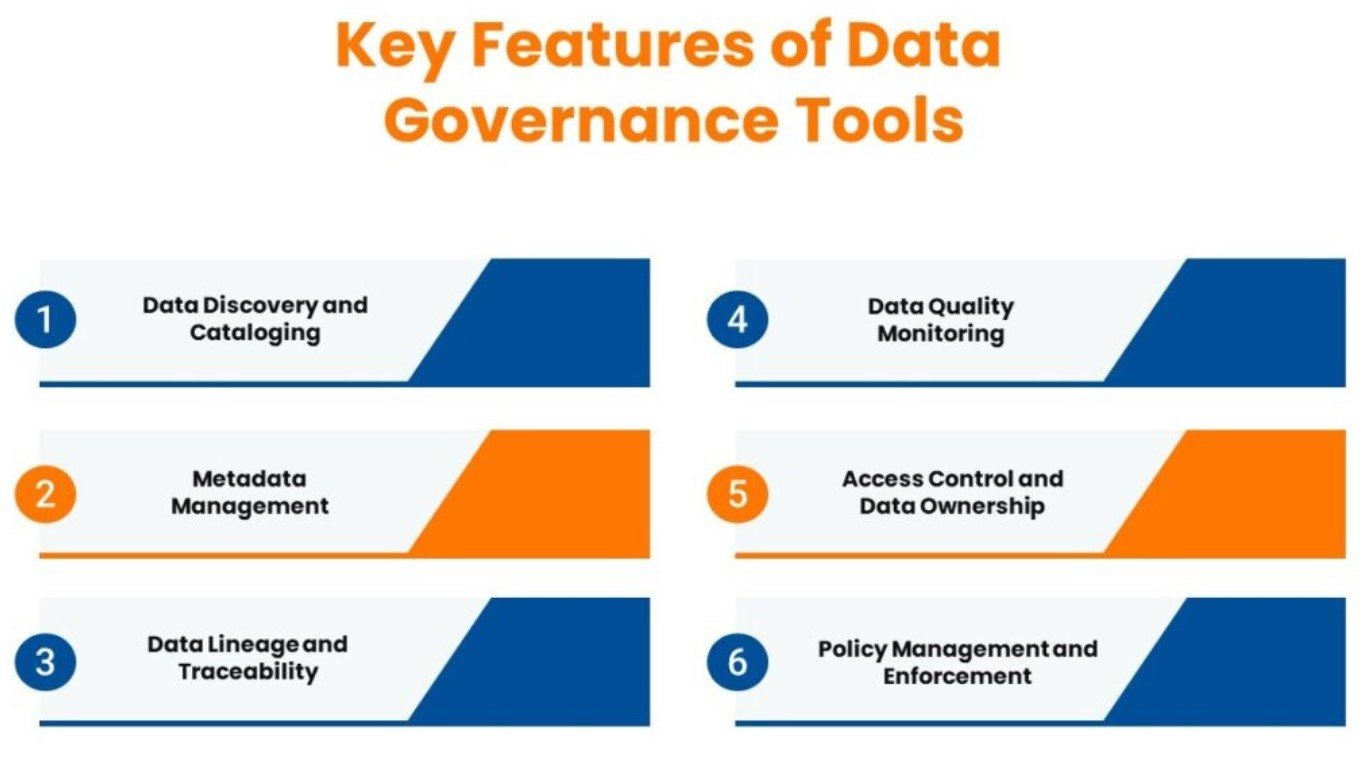
Metadata management tools function like a ship’s navigation map, revealing the coordinates, depth, and structure of the sea beneath. When organisations evaluate platforms, they must focus not on what metadata is, but how the tool transforms invisible undercurrents into visible insights. The right platform helps teams spot anomalies, lineage gaps, ownership ambiguities, and transformation inconsistencies.
A strong tool simplifies the chaos by visually outlining data origins, movement paths, and dependencies. This clarity enables transparency and trust across business units. While searching for such capabilities, many teams explore frameworks taught in a data analytics course in Mumbai, where metadata lineage and mapping tools are often core topics.
Data Quality Management as the Ship’s Hull Integrity System
Data quality operates like the integrity system that prevents water from seeping into a ship’s hull. Even the smallest breach can compromise the journey. When evaluating governance tools, organisations must look for automated validation, anomaly detection, threshold-based rule engines, profiling, and correction workflows.
Instead of viewing quality checks as standalone features, enterprises should visualise them as multi-layered armour, protecting business decisions from polluted datasets. Tools vary widely in their profiling depth, machine learning capabilities, and real-time monitoring features. A well-chosen platform ensures that decision-makers never sail with compromised information, reinforcing the strategic insights sharpened in a rigorous data analyst course.
Stewardship Management as the Crew Coordination System
Stewardship is not about assigning roles; it is about enabling harmony across an entire data crew. A governance platform must support communication, approval hierarchies, responsibility matrices, escalation channels, and documentation logs. This system becomes the voice of the ship, ensuring everyone moves in rhythm.
When evaluating stewardship modules, organisations need to examine how the platform handles collaboration, conflict resolution, ownership transitions, and compliance reporting. The more intuitive the interface and workflow design, the more effectively stewards can guard data assets. Many governance teams refine these collaborative skills via concepts encountered in a data analytics course in Mumbai, especially those focusing on enterprise data ecosystems.
Platform Evaluation Criteria as the Compass for the Journey
Choosing the right governance tool requires a compass that points toward long-term organisational stability. Technical depth is important, but the selection process must reflect business culture, regulatory requirements, integration demands, and scalability expectations.
Key evaluation factors include:
- Flexibility to integrate with warehouses, lakes, CRM systems, and analytics tools
- Configurability of workflows without heavy coding
- Strength of automation features
- Support for AI driven insights
- Ease of steward onboarding
- Security and compliance assurances
- Cost of ownership and upgrade path
Every organisation must align the tool’s strengths with its own operational tides, rather than chasing trending platforms. A balanced approach ensures the governance ship remains steady even as data volume and complexity surge.
Future Readiness as the Lighthouse on the Horizon
Governance tools must not only solve today’s problems but also illuminate tomorrow’s opportunities. Platforms that leverage automation, AI backed enrichment, predictive quality scoring, and dynamic cataloguing become future ready. They help enterprises prepare for new regulatory demands, cross regional operations, and multi cloud ecosystems.
This forward looking capability supports leaders who believe in long term data maturity rather than adopting tools just for compliance. The lighthouse metaphor encourages organisations to choose tools that guide them through turbulent transformations with confidence.
Conclusion
Selecting a data governance tool is ultimately a strategic journey akin to preparing a ship for an expedition across uncharted waters. Metadata becomes the map, quality functions as the protective hull, stewardship emerges as the coordinated crew, and evaluation frameworks serve as the compass guiding the organisation toward responsible growth. Professionals sharpen these perspectives by deepening knowledge through structured learning, such as a data analyst course or an advanced data analytics course in Mumbai, which helps them appreciate governance at a deeper operational level.
With the right governance platform and a culture committed to stewardship, every organisation can navigate complexity with clarity, transforming data into a reliable and enduring asset.
Business name: ExcelR- Data Science, Data Analytics, Business Analytics Course Training Mumbai
Address: 304, 3rd Floor, Pratibha Building. Three Petrol pump, Lal Bahadur Shastri Rd, opposite Manas Tower, Pakhdi, Thane West, Thane, Maharashtra 400602
Phone: 09108238354
Email: enquiry@excelr.com
