

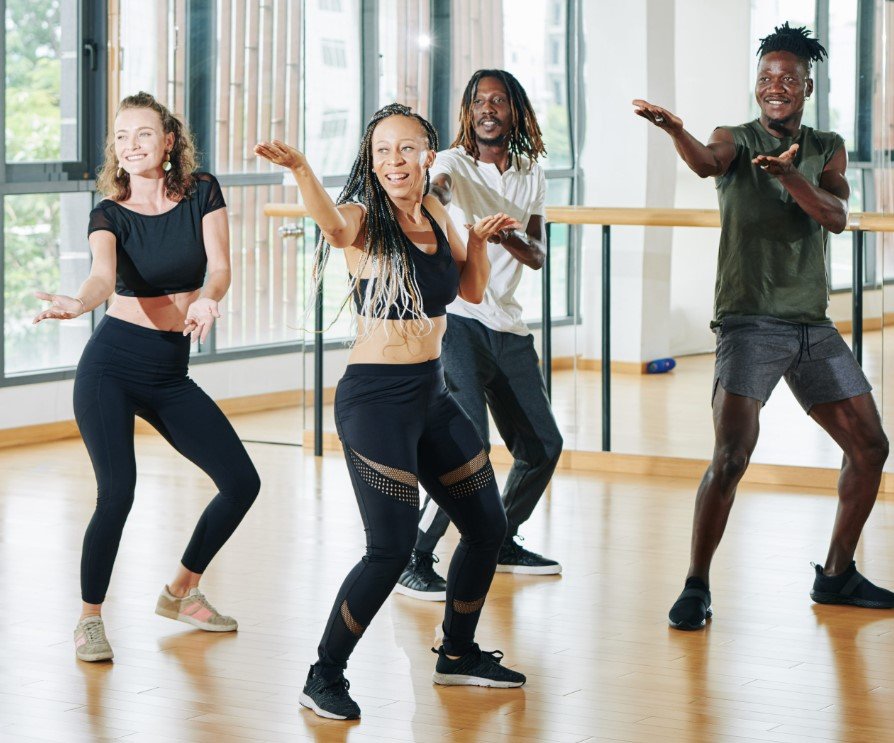
Dance is more than an art form—it is a rewarding profession that allows passionate individuals to inspire creativity, fitness, and confidence in others. A Dancing teacher has numerous career paths available, from working in educational institutions to running private studios or teaching students worldwide through online platforms. As the demand for dance education continues to grow, skilled instructors have more opportunities than ever to build fulfilling and financially rewarding careers.
Whether you specialize in ballet, hip-hop, jazz, contemporary, ballroom, or cultural dance styles, understanding the different career options can help you choose the path that best matches your skills and goals.
Why Becoming a Dancing Teacher Is a Rewarding Career
A Dancing teacher plays a significant role in shaping students’ physical abilities, artistic expression, and self-confidence. Beyond teaching choreography, instructors mentor students, encourage discipline, and promote healthy lifestyles.
Some key benefits of this career include:
- Sharing your passion for dance every day
- Inspiring students of all ages
- Flexible work schedules
- Opportunities for creative expression
- Potential for business ownership
- Continuous professional growth
With experience and strong teaching skills, dance instructors can earn stable incomes while making a positive impact on their communities.
Teaching Dance in Schools
One of the most stable career options for a Dancing teacher is working in schools. Many public and private schools now include dance as part of their arts or physical education curriculum.
Responsibilities
A school dance teacher typically:
- Plans structured lesson plans
- Teaches age-appropriate dance techniques
- Organizes performances and competitions
- Evaluates student progress
- Encourages teamwork and discipline
Benefits
Working in schools often provides:
- Regular salary
- Health and retirement benefits
- Paid holidays
- Long-term job security
- Opportunities for career advancement
Many schools also support teachers by offering professional development workshops and training programs.
Working at Dance Studios
Dance studios remain one of the most popular workplaces for a Dancing teacher. These studios offer classes for children, teenagers, and adults across many dance styles.
Common Teaching Areas
Dance studios frequently offer:
- Ballet
- Jazz
- Hip-Hop
- Contemporary
- Tap Dance
- Ballroom
- Latin Dance
- Acro Dance
Teachers may work full-time, part-time, or as guest instructors.
Advantages
Teaching in a dance studio allows instructors to:
- Focus on specialized dance styles
- Work with highly motivated students
- Participate in competitions
- Choreograph performances
- Build a strong professional reputation
Experienced instructors often become artistic directors or studio managers.
Starting Your Own Dance Studio
Many experienced dance professionals eventually become entrepreneurs.
Owning a studio gives a Dancing teacher complete creative control over:
- Class schedules
- Curriculum
- Student programs
- Events
- Pricing
- Marketing
Although opening a studio requires financial investment, it also offers excellent long-term earning potential.
Essential Skills
Studio owners should understand:
- Business management
- Customer service
- Marketing
- Financial planning
- Staff management
Building a welcoming community often leads to strong student retention and business growth.
Becoming an Online Dance Instructor
Online learning has transformed dance education. Today, a Dancing teacher can reach students from around the world without leaving home.
Popular Online Teaching Options
Online instructors can:
- Host live Zoom classes
- Create video courses
- Offer private virtual coaching
- Build membership websites
- Teach through social media platforms
- Sell downloadable dance tutorials
This career path provides incredible flexibility and scalability.
Benefits of Online Teaching
Teaching online allows instructors to:
- Reach global audiences
- Earn passive income
- Set flexible schedules
- Reduce travel costs
- Build personal brands
Many successful dance educators combine online teaching with in-person classes.
Teaching at Colleges and Universities
Higher education institutions often hire experienced dance professionals with advanced qualifications.
Responsibilities may include:
- Teaching dance theory
- Performance training
- Dance history
- Choreography
- Research
- Student mentoring
College positions often require bachelor’s or master’s degrees in dance or performing arts.
These roles offer competitive salaries and opportunities to contribute to academic research.
Becoming a Professional Choreographer
Many dance instructors expand into choreography.
A Dancing teacher can create routines for:
- School productions
- Dance competitions
- Theatre performances
- Music videos
- Television shows
- Corporate events
- Weddings
Strong choreographic skills increase career opportunities and earning potential.
Working in Fitness and Wellness
Dance fitness continues to grow worldwide.
Dance teachers can become certified instructors for programs such as:
- Dance cardio
- Zumba-inspired classes
- Barre workouts
- Dance aerobics
- Senior fitness dance
- Children’s movement programs
This combines dance instruction with health and wellness, attracting students who enjoy exercise through movement.
Teaching Private Lessons
Private coaching offers higher hourly rates than group classes.
A Dancing teacher may provide personalized instruction for:
- Competition preparation
- Wedding dances
- Auditions
- Technique improvement
- Performance coaching
Private lessons allow instructors to customize learning plans for each student.
Cruise Ships and Entertainment Industry
The entertainment industry offers exciting opportunities for experienced dance teachers.
Possible employers include:
- Cruise lines
- Theme parks
- Resorts
- Entertainment companies
- Performance schools
Some instructors both perform and teach workshops for guests and aspiring dancers.
This career path often includes travel and cultural experiences.
Building Your Personal Brand
Modern dance instructors benefit greatly from personal branding.
Ways to grow your professional reputation include:
Create Social Media Content
Share:
- Dance tutorials
- Technique tips
- Student success stories
- Behind-the-scenes videos
- Performance highlights
Launch a Website
A professional website can include:
- Biography
- Teaching services
- Class schedules
- Booking information
- Testimonials
- Online courses
Continue Professional Development
Attend:
- Dance workshops
- Certification programs
- Teacher training courses
- Dance conventions
Continuous learning helps instructors stay current with teaching methods and dance trends.
Skills Every Successful Dancing Teacher Should Develop
Excellent dance instructors combine technical expertise with strong interpersonal skills.
Important abilities include:
- Communication
- Patience
- Leadership
- Creativity
- Organization
- Time management
- Adaptability
- Motivation
- Musicality
- Performance experience
These qualities help teachers connect with students while creating enjoyable and productive learning environments.
Conclusion
A career as a Dancing teacher offers far more than simply teaching dance steps. From schools and private studios to universities, fitness centers, cruise ships, and online platforms, there are numerous opportunities to build a rewarding profession. As technology expands access to virtual learning and communities continue to embrace dance as both an art and a form of wellness, the demand for qualified dance instructors continues to grow.
