

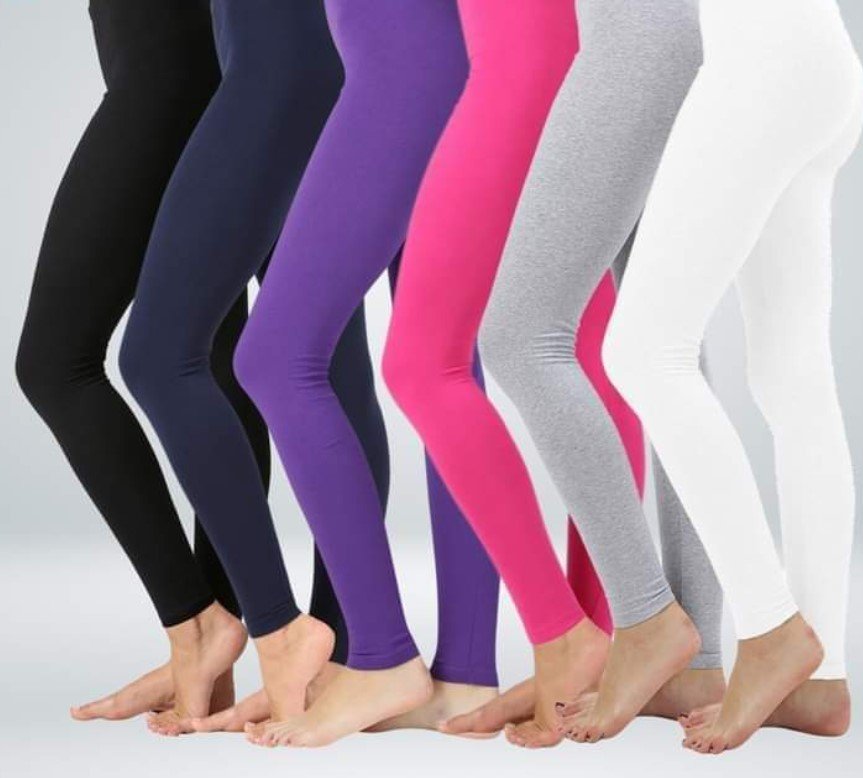
Yoga leggings may look simple, but developing a high-quality pair requires careful material selection. Because leggings are designed to fit closely to the body and move through a wide range of positions, the fabric has to provide a combination of stretch, comfort, recovery, coverage, and durability.
For apparel brands, choosing the right fabric can have a direct impact on how the final garment feels, performs, and retains its shape after repeated use. This makes fabric sourcing one of the most important stages of yoga and activewear development.
Stretch is usually the first characteristic considered. Yoga leggings need enough elasticity to support movements such as bending, stretching, squatting, and twisting without creating excessive resistance. However, a highly elastic fabric is not automatically a good fabric. The material should also recover well after being stretched.
Poor recovery can lead to problems such as loose knees, sagging areas, or an uneven fit after the garment has been worn for a period of time. For this reason, brands should evaluate both stretch percentage and recovery performance when reviewing fabric samples.
For buyers comparing different activewear materials, the collections available through Hongjun Fabric can provide a useful reference for functional knitted fabrics intended for yoga, sportswear, and other stretch apparel applications.
Comfort is another major consideration because leggings remain in close contact with the skin. A fabric that feels rough, stiff, or overly heavy may reduce the overall wearing experience even if it performs well in other technical areas. Softness, surface smoothness, and flexibility all contribute to how comfortable the garment feels during movement.
Breathability and moisture management are also relevant, particularly for yoga styles that involve higher levels of physical activity. Depending on the target market, brands may prefer fabrics designed to help manage heat and moisture during exercise. These properties can improve comfort and make the garment more suitable for workouts beyond traditional yoga sessions.
Coverage should also be evaluated carefully. Since leggings stretch significantly during movement, a fabric that looks opaque while relaxed may become more transparent when extended. This is why brands should test material under realistic stretching conditions rather than judging it only from a flat fabric swatch.
A detailed guide to selecting fabric for yoga leggings should also consider shape retention. Consumers expect leggings to maintain a close, supportive fit after repeated wear and washing. Fabrics with poor dimensional stability can lose their original appearance more quickly, which may lead to customer dissatisfaction.
Fabric weight can also affect both comfort and performance. Lightweight materials may be suitable for warm environments or low-impact activities, while slightly heavier fabrics may provide greater coverage and a more supportive feel. There is no single ideal weight for every yoga legging, so brands should select according to the intended product positioning.
Another area that should not be overlooked is production consistency. Before placing a bulk order, apparel companies should confirm that the supplier can maintain relatively stable fabric weight, stretch, color, and hand feel from one production batch to another. Small differences can have a noticeable effect when the fabric is converted into fitted garments.
Sampling remains one of the best ways to reduce risk. Brands can produce prototype leggings from selected fabrics and evaluate how the material performs during actual movement. This allows the development team to check stretch, recovery, opacity, seam performance, comfort, and overall appearance before making a larger purchasing decision.
The final choice should always reflect the intended customer. A fabric designed for soft lifestyle yoga leggings may require different characteristics from one developed for high-intensity gym training. Understanding the end use helps buyers avoid choosing materials based only on price or appearance.
In the end, the right yoga legging fabric should support both function and comfort. By evaluating stretch, recovery.
