

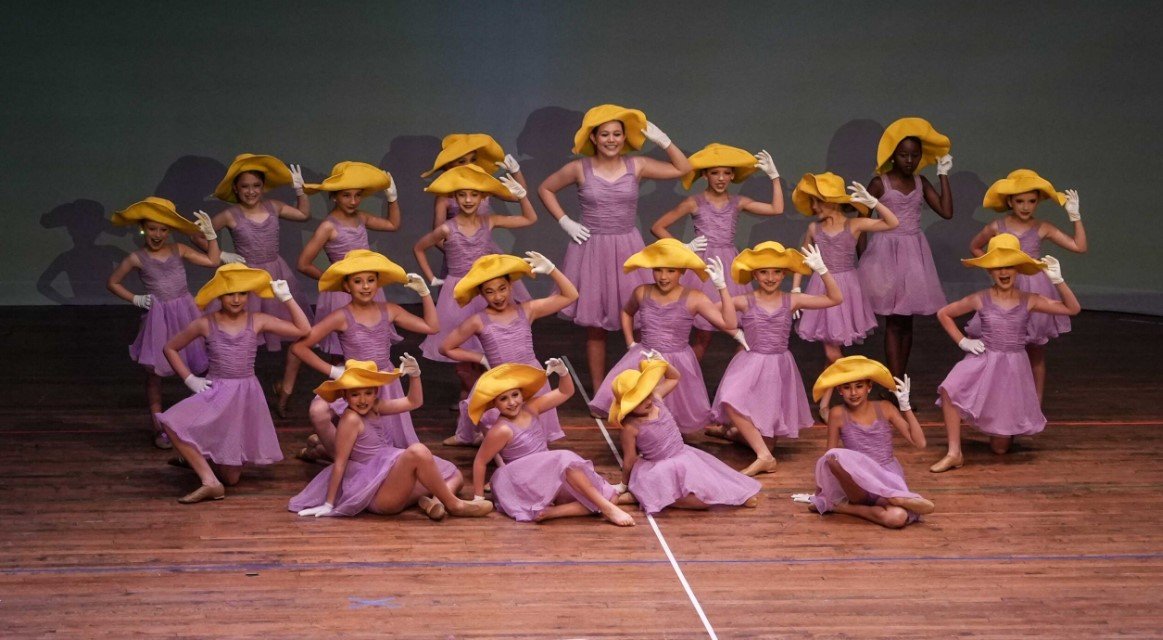
Dance competitions are more than just energetic performances and dazzling costumes. Behind every winning routine lies a structured and highly disciplined evaluation process. To truly succeed, dancers and choreographers must understand Understanding dance competition scoring, including how judges assign points, what criteria matter most, and the subtle “secrets” that often influence final rankings.
This guide breaks down the entire scoring system in a clear, practical way so performers can improve strategy, performance quality, and competitive results.
What Is Dance Competition Scoring?
Dance competition scoring is a standardized method used by judges to evaluate performances based on specific performance categories. Each routine is assigned a numerical score, often out of 100, though some competitions use different scales.
The goal is to ensure fairness, consistency, and transparency. While systems vary between organizations, most rely on similar core principles: technique, performance quality, choreography, musicality, and overall impact.
At its core, Understanding dance competition scoring helps dancers recognize that success is not only about talent—it’s about how well that talent matches judging expectations.
Main Criteria Used in Scoring Systems
Although each competition may have its own rubric, most scoring systems are built around several key criteria. Judges carefully observe each category before assigning points.
1. Technique (30–40% of total score)
Technique is often the most heavily weighted category. It evaluates how well dancers execute movements.
Judges look for:
- Body alignment and posture
- Balance and control
- Precision of movements
- Strength and flexibility
- Proper execution of dance style (ballet, hip-hop, contemporary, etc.)
Even small technical mistakes can significantly impact the final score.
2. Choreography (20–25% of total score)
Choreography refers to how the dance is designed and structured.
Judges evaluate:
- Creativity and originality
- Use of stage space
- Formation changes
- Difficulty level
- Flow and transitions
A routine with innovative choreography can stand out even if technical execution is not perfect.
3. Performance and Expression (15–20%)
This category focuses on emotional connection and stage presence.
Judges consider:
- Facial expressions and storytelling
- Confidence and energy
- Connection with music and audience
- Character portrayal
Dancers who fully embody their performance often gain higher marks here.
4. Musicality (10–15%)
Musicality measures how well movements align with rhythm, beat, and musical structure.
Key elements include:
- Timing and synchronization
- Accent matching (hits, beats, pauses)
- Interpretation of musical changes
Strong musicality can elevate even simple choreography.
5. Overall Impression (10–15%)
This is a more subjective category but still crucial.
Judges assess:
- Costume and presentation
- Stage impact
- Crowd engagement
- Cleanliness of performance
A strong overall impression can be the deciding factor in close competitions.
How Points Are Actually Assigned
Understanding Understanding dance competition scoring requires knowing how judges convert observations into numbers.
Most competitions use a rubric-based system:
- Each category is assigned a maximum point value
- Judges deduct points for mistakes or weaknesses
- Bonus points may be added for difficulty or creativity
- Final scores are combined for total ranking
For example:
- Technique: 35/40
- Choreography: 22/25
- Performance: 18/20
- Musicality: 12/15
- Impression: 13/15
Total: 100/115 (normalized to final score)
Even small deductions (like timing errors or missed formations) can change rankings significantly.
Judging Secrets Most Dancers Don’t Know
While scoring systems are designed to be objective, experienced judges often follow unwritten guidelines that can influence results.
1. Cleanliness Wins Over Difficulty
Many dancers assume harder routines always score higher. However, judges often prefer clean execution over overly complex moves performed poorly.
A simple routine done perfectly can outperform a difficult routine filled with errors.
2. First 30 Seconds Matter Most
Judges form early impressions quickly. Strong opening moments can shape how the entire performance is perceived.
If the beginning is weak, it becomes harder to recover points later.
3. Synchronization Is Critical for Groups
For group performances, unity is essential. Even small timing differences between dancers can reduce scores in technique and impression categories.
Perfect synchronization often separates winners from runners-up.
4. Emotional Authenticity Is Noticeable
Judges are trained to detect genuine expression. Forced or exaggerated emotions may reduce performance scores.
Authentic storytelling creates stronger audience and judge engagement.
5. Transitions Are as Important as Moves
Many dancers focus only on major steps, but judges closely observe transitions between movements.
Smooth, controlled transitions show mastery and elevate overall quality.
Common Scoring Mistakes That Cost Points
Understanding pitfalls is an important part of Understanding dance competition scoring. Many teams lose points due to avoidable mistakes:
- Poor spacing on stage
- Costume distractions or mismatches
- Weak stage entry or exit
- Ignoring musical accents
- Overcrowded choreography
- Lack of energy consistency
Even skilled dancers can lose rankings due to these small but impactful issues.
How to Improve Your Competition Score
Improving scores requires a balanced approach rather than focusing on one area.
Train Technique Consistently
Daily practice of foundational movements builds muscle memory and reduces execution errors.
Refine Choreography Strategically
Focus on clarity, spacing, and storytelling instead of unnecessary complexity.
Practice With Music Repeatedly
Rehearsing with full music helps improve timing and musical connection.
Record and Review Performances
Video analysis helps identify mistakes that are not obvious during practice.
Strengthen Stage Presence
Confidence, facial expression, and engagement can dramatically improve impression scores.
Final Thoughts
Dance competitions are a blend of athletic skill, artistic expression, and strategic presentation. While talent plays a major role, understanding scoring systems is what transforms good dancers into champions.
By mastering Understanding dance competition scoring, performers can better align their training, choreography, and performance strategy with what judges actually look for. This insight not only improves scores but also enhances overall artistic growth and stage confidence.
