

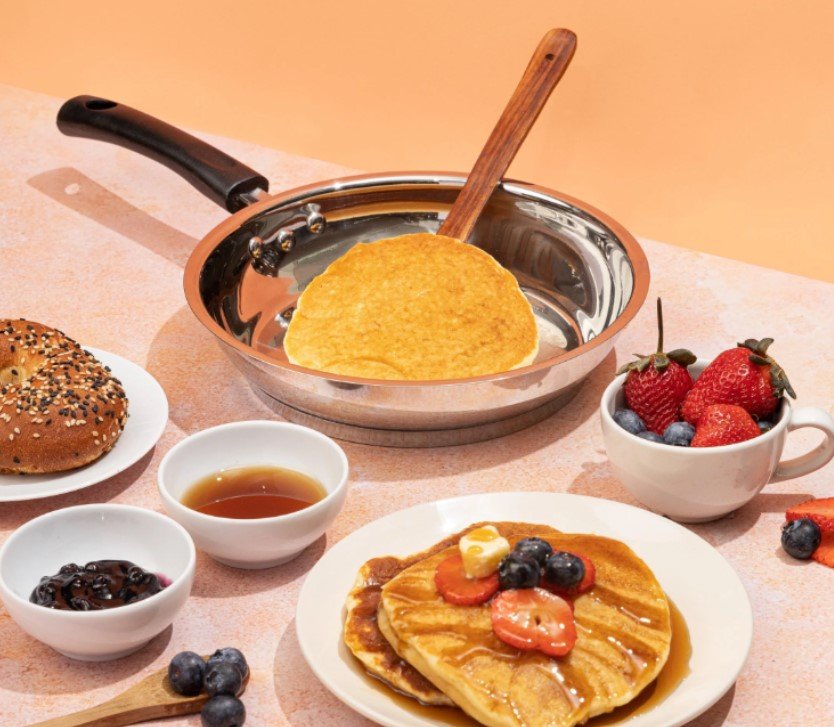
The right cookware can make everyday cooking faster, easier, and more enjoyable. Whether you’re preparing a quick breakfast, sautéing vegetables, searing meat, or simmering flavorful sauces, having a reliable pan in your kitchen is essential. Among the many cookware options available, a frying pan with lid stands out because it offers greater versatility than a standard frying pan. The addition of a lid allows you to trap heat and moisture, making it suitable for a wider variety of recipes.
However, not all frying pans are created equal. The material, size, coating, handle design, and lid quality all influence cooking performance and durability. Many experienced home cooks also pair their frying pan with premium stainless steel cookware to create a complete cookware collection that handles every cooking task efficiently.
Before making your purchase, here are ten important things you should know to ensure you choose a frying pan with lid that perfectly suits your kitchen.
1. Choose the Right Material
The material of your frying pan directly affects cooking performance, heat distribution, and maintenance.
Some of the most popular materials include:
- Stainless steel
- Cast iron
- Hard-anodized aluminum
- Non-stick aluminum
- Carbon steel
If durability and long-term performance are your priorities, stainless steel cookware is an excellent investment. Stainless steel resists rust, corrosion, and scratches while maintaining its appearance for years.
For everyday cooking, many people prefer a frying pan with an aluminum core because it heats quickly and evenly.
2. Pick the Correct Size
Size matters more than many buyers realize.
Common frying pan sizes include:
- 20 cm – Ideal for one person
- 24 cm – Suitable for couples
- 26–28 cm – Great for small families
- 30 cm or larger – Perfect for larger households
Buying a pan that’s too small may require cooking in batches, while one that’s too large can waste energy and occupy unnecessary storage space.
Think about the meals you cook most often before deciding.
3. Check the Lid Quality
The lid is one of the biggest advantages of a frying pan with lid.
A high-quality lid helps:
- Retain moisture
- Speed up cooking
- Reduce oil splatter
- Lock in flavors
- Keep food warm longer
Glass lids are especially popular because they allow you to monitor food without lifting the cover and releasing heat.
Some lids also include steam vents, which help prevent excessive pressure buildup.
4. Understand the Cooking Surface
The cooking surface significantly affects food release and cleaning.
Common options include:
Non-Stick
Perfect for:
- Eggs
- Pancakes
- Fish
- Low-oil cooking
Stainless Steel
Many chefs prefer stainless steel cookware because it creates an excellent sear and develops rich flavors. Although food may stick slightly without proper technique, stainless steel offers unmatched durability.
Cast Iron
Ideal for high-temperature cooking and excellent heat retention.
Your cooking habits should determine which surface works best for you.
5. Evaluate Heat Distribution
Even heat distribution ensures food cooks consistently without hot spots.
Look for pans that feature:
- Multi-layer construction
- Aluminum or copper core
- Thick base
- Quality manufacturing
Premium cookware heats evenly, reducing the risk of burnt edges and undercooked centers.
This feature is especially valuable when preparing delicate dishes.
6. Handle Comfort and Safety
Many buyers overlook the importance of a comfortable handle.
Choose handles that offer:
- Secure grip
- Heat resistance
- Strong attachment
- Balanced weight
Long ergonomic handles improve control when flipping or tossing food.
If you frequently transfer cookware into the oven, verify that the handle is oven-safe.
Comfort becomes increasingly important during daily cooking.
7. Compatibility with Your Cooktop
Not every frying pan works on every stove.
Before purchasing, check whether the pan supports:
- Gas cooktops
- Electric stoves
- Ceramic cooktops
- Induction cooktops
Induction-compatible pans require a magnetic base.
Many modern stainless steel cookware collections are designed to work on all cooking surfaces, offering greater flexibility if you upgrade your kitchen later.
8. Consider Maintenance Requirements
Some cookware demands more care than others.
For example:
Non-stick pans require gentle utensils and careful cleaning.
Cast iron needs regular seasoning to prevent rust.
Meanwhile, stainless steel cookware is among the easiest to maintain. It resists staining, tolerates high temperatures, and typically withstands dishwasher cleaning, although hand washing can extend its appearance.
Always follow the manufacturer’s care instructions to maximize longevity.
9. Weight and Thickness Matter
A lightweight pan is easy to handle but may heat unevenly.
A heavier pan generally provides:
- Better heat retention
- Greater durability
- More stable cooking temperatures
- Improved cooking consistency
The best frying pan with lid strikes a balance between strength and comfort.
If possible, hold the pan before purchasing to ensure it feels comfortable during everyday use.
10. Think Long-Term Value Instead of Price
Many shoppers focus only on the purchase price.
However, the cheapest cookware often needs replacing much sooner.
Instead, consider:
- Build quality
- Brand reputation
- Warranty
- Durability
- Cooking performance
A premium frying pan with lid may cost more initially, but it often provides years of reliable service, making it a better investment over time.
Quality cookware saves money by reducing replacement costs and delivering consistently better cooking results.
Why Pair a Frying Pan with Stainless Steel Cookware?
A frying pan alone cannot handle every cooking task.
Combining it with stainless steel cookware creates a highly versatile kitchen setup.
This combination allows you to:
- Fry
- Sauté
- Simmer
- Boil
- Steam
- Prepare sauces
- Cook soups
- Make curries
Stainless steel pots and pans complement a frying pan perfectly because each piece excels at different cooking techniques.
Whether you’re preparing breakfast, lunch, or dinner, this combination offers maximum flexibility.
Common Buying Mistakes to Avoid
Avoid these common errors when shopping for cookware:
- Choosing based only on appearance
- Ignoring compatibility with your stove
- Buying an incorrect size
- Selecting poor-quality handles
- Overlooking lid quality
- Choosing extremely thin cookware
- Ignoring warranty information
Taking a few extra minutes to evaluate these factors can prevent costly mistakes later.
Final Thoughts
Purchasing the right frying pan with lid is about much more than selecting a pan that looks attractive. The material, size, lid design, cooking surface, heat distribution, and handle quality all contribute to overall performance and durability. Investing in quality cookware ensures more enjoyable cooking, easier maintenance, and better results in every meal.
Pairing your frying pan with premium stainless steel cookware creates a well-rounded kitchen capable of handling everything from delicate eggs to hearty family dinners. By keeping these ten buying tips in mind, you’ll be well-equipped to choose cookware that delivers exceptional performance and remains a trusted part of your kitchen for many years.
