

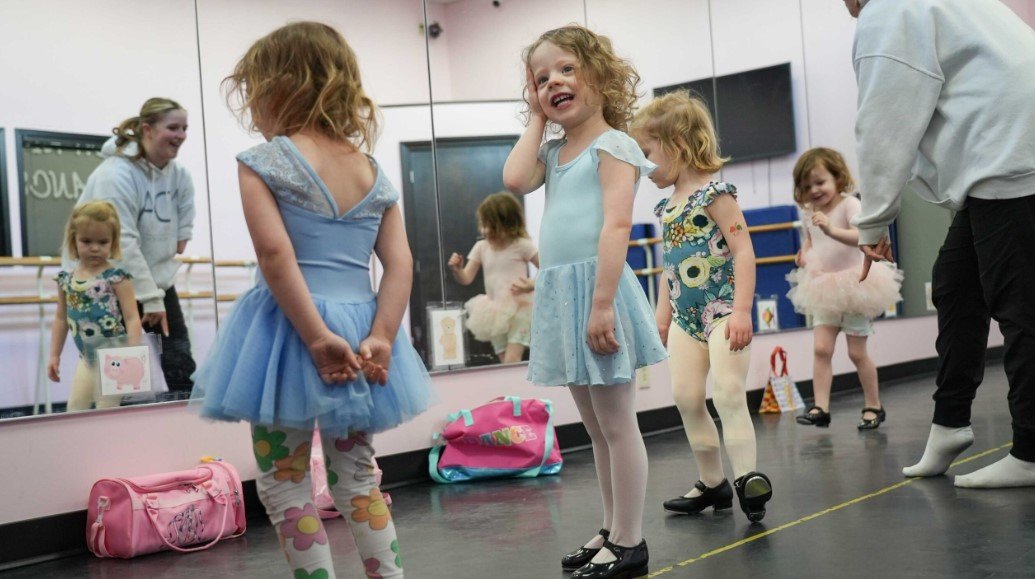
The excitement on a child’s face when they step into a dance studio for the first time is unforgettable. Music, movement, and self-expression combine to create an experience that builds confidence and joy. Yet behind the rhythm and grace lies a physical demand that young bodies are still learning to handle. That’s why Preventing dance injuries in kidsy is not just a precaution—it’s a foundation for long-term success, growth, and enjoyment in dance.
Table of Contents
ToggleUnderstanding the Physical Demands of Dance
Dance is often perceived as an artistic activity, but it is equally athletic. From ballet to hip-hop, children engage muscles, joints, and bones in repetitive and sometimes intense ways. Jumps, turns, stretches, and lifts require coordination and strength that are still developing in young dancers.
Unlike adults, children’s bodies are more vulnerable because their bones are still growing, and their muscles may not yet be strong enough to support certain movements. Without proper guidance, this imbalance can lead to strains, sprains, or even more serious injuries. This makes Preventing dance injuries in kids essential for maintaining both their health and passion for dance.
Common Dance Injuries in Children
Before diving into prevention, it’s important to recognize the types of injuries young dancers commonly face:
1. Overuse Injuries
These occur when a child repeats the same movements without enough rest. Conditions like tendonitis or stress fractures can develop over time.
2. Sprains and Strains
Sudden movements or improper landings can cause ligaments or muscles to stretch beyond their limits.
3. Growth Plate Injuries
Since children are still growing, their growth plates are softer and more prone to injury, especially with high-impact activities.
4. Poor Technique-Related Injuries
Incorrect posture or alignment during dance routines can gradually lead to chronic pain or injury.
Recognizing these risks highlights why Preventing dance injuries in kids must be a priority for parents, instructors, and the dancers themselves.
The Role of Proper Training and Technique
One of the most effective ways to prevent injuries is through proper training. Qualified instructors play a critical role in teaching children the correct techniques from the start. When kids learn how to align their bodies, control their movements, and execute steps safely, they reduce their risk of injury significantly.
Good training also includes:
-
Age-appropriate choreography
-
Gradual progression of difficulty
-
Individual attention to correct mistakes
Focusing on technique is not about limiting creativity—it’s about building a strong foundation that allows children to excel safely. This is a key aspect of Preventing dance injuries in kids and ensuring their long-term development.
Importance of Warm-Ups and Cool-Downs
Many injuries occur simply because the body isn’t prepared for activity. Warm-ups and cool-downs are essential components of any dance session.
Warm-Ups
A proper warm-up increases blood flow to the muscles, improves flexibility, and prepares the body for movement. It can include light cardio, stretching, and basic dance exercises.
Cool-Downs
After dancing, cooling down helps the body recover. Gentle stretches and slow movements reduce muscle stiffness and promote healing.
Skipping these steps might save a few minutes, but it greatly increases the risk of injury. That’s why consistent warm-up and cool-down routines are vital for Preventing dance injuries in kids.
The Importance of Rest and Recovery
Children often have boundless energy, but their bodies still need rest. Overtraining is a major cause of injuries in young dancers. Without enough recovery time, muscles become fatigued, and the risk of mistakes—and injuries—rises.
Parents and instructors should ensure that kids:
-
Have rest days each week
-
Get adequate sleep
-
Avoid excessive practice sessions
Encouraging balance between dance and other activities also helps prevent burnout. Rest is not a setback; it’s a necessary part of growth and a core principle of Preventing dance injuries in kids.
Proper Nutrition and Hydration
A child’s body needs the right fuel to perform and recover. Nutrition plays a significant role in maintaining strong bones, muscles, and overall health.
Key elements include:
-
Calcium for bone strength
-
Protein for muscle repair
-
Fruits and vegetables for essential vitamins
-
Plenty of water to stay hydrated
Poor nutrition can weaken the body and make it more susceptible to injuries. Supporting a healthy diet is another important step in Preventing dance injuries in kids.
Wearing the Right Gear
Dance-specific clothing and footwear are designed to support movement and reduce injury risks. Ill-fitting shoes or inappropriate attire can lead to slips, falls, or improper alignment.
For example:
-
Ballet shoes should fit snugly without being too tight
-
Sneakers for hip-hop should provide proper cushioning
-
Dance floors should be non-slip and shock-absorbing
Ensuring children have the right gear creates a safer environment and supports Preventing dance injuries in kids.
Listening to the Body
Children may not always recognize or communicate pain effectively. They might ignore discomfort to keep dancing or please their instructors. Teaching kids to listen to their bodies is crucial.
They should understand that:
-
Pain is a warning sign, not something to ignore
-
It’s okay to take breaks when needed
-
Reporting discomfort early can prevent serious injuries
Open communication between dancers, parents, and teachers fosters a supportive environment focused on Preventing dance injuries in kids.
Psychological Benefits of Injury Prevention
When children stay injury-free, they build confidence and enjoy dance more fully. Frequent injuries can lead to frustration, fear, and even quitting altogether.
By focusing on prevention, young dancers:
-
Develop a positive relationship with physical activity
-
Gain confidence in their abilities
-
Stay motivated to improve
This emotional stability is just as important as physical health, making Preventing dance injuries in kids essential for overall success.
Long-Term Impact on Dance Careers
For children who aspire to pursue dance seriously, early injury prevention can shape their future. Injuries during formative years can have lasting effects, limiting flexibility, strength, or performance potential.
On the other hand, a strong, injury-free foundation allows young dancers to:
-
Progress to advanced levels safely
-
Build endurance and resilience
-
Maintain longevity in their dance journey
This long-term perspective underscores the importance of preventing dance injuries in kids from the very beginning.
Conclusion
Dance offers children a unique blend of creativity, discipline, and physical fitness. However, without proper care, it can also lead to injuries that hinder their progress and passion. By focusing on safe practices, proper training, rest, nutrition, and open communication, parents and instructors can create an environment where young dancers thrive.
Ultimately, Preventing dance injuries in kids is not about restricting their movement—it’s about empowering them to dance freely, confidently, and safely. When children are protected from injury, they can fully embrace the joy of dance and build a foundation for lasting success.
