

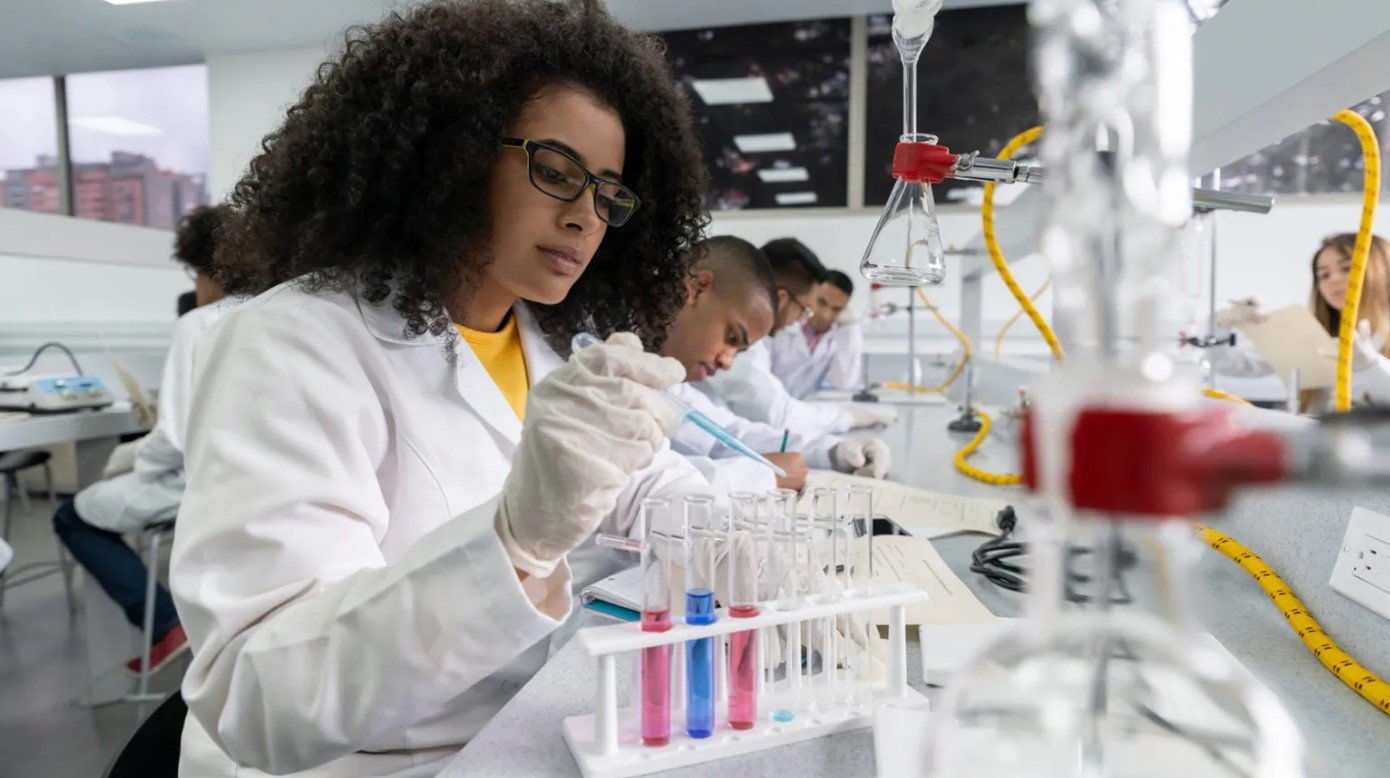
Building a strong pathway for students to thrive in science, technology, engineering, and mathematics (STEM) begins long before college. For historically Black colleges and universities (HBCUs), ensuring a steady flow of talented students into STEM programs requires focused strategies starting at the K-12 level. By cultivating interest, providing resources, and connecting students to mentorship, educators and administrators can strengthen the K-12 STEM pipeline to HBCUs and prepare a new generation of innovators and leaders.
Understanding the Importance of the K-12 STEM Pipeline to HBCUs
The journey toward a STEM career often begins in elementary and middle school. Early exposure to scientific concepts, hands-on experiments, and problem-solving exercises can ignite curiosity and confidence in students. Unfortunately, many students in underserved communities lack access to quality STEM instruction, advanced coursework, and extracurricular opportunities. Strengthening the K-12 STEM pipeline to HBCUs addresses these inequities by ensuring students are prepared for rigorous college-level programs and can envision themselves succeeding in fields traditionally underrepresented by minorities.
HBCUs play a critical role in fostering diversity in STEM. They not only provide culturally affirming environments but also produce a significant proportion of Black STEM graduates who go on to earn advanced degrees and lead in technology and research fields. By fortifying the pipeline at the K-12 level, HBCUs can expand their reach, attract talented students, and continue their legacy of excellence in STEM education.
Early STEM Exposure in Elementary and Middle School
One of the most effective strategies for strengthening the K-12 STEM pipeline to HBCUs is introducing students to STEM concepts early. Elementary schools can implement engaging programs such as robotics clubs, coding lessons, and inquiry-based science projects. These activities foster curiosity and problem-solving skills while showing students that STEM is both fun and attainable.
Middle schools should build on these foundations by offering specialized STEM courses, science fairs, and mentorship opportunities. Partnerships with local colleges, HBCUs, and STEM-focused organizations can provide hands-on experiences that make abstract concepts tangible. Exposure to real-world applications of STEM encourages students to envision a future in these fields and see higher education as an attainable goal.
Strengthening Teacher Training and Resources
Teachers are instrumental in developing a robust K-12 STEM pipeline to HBCUs. Professional development programs that focus on STEM pedagogy, culturally responsive teaching, and innovative technologies equip educators to inspire their students. Access to well-equipped laboratories, digital learning tools, and interactive curricula ensures that students receive the rigorous instruction needed to succeed in high school and beyond.
Mentorship programs connecting K-12 teachers with STEM professionals from HBCUs or industry can also enhance instruction. Teachers gain insight into the latest developments, curriculum standards, and strategies for fostering student engagement. As a result, students benefit from a classroom environment that not only teaches STEM skills but also nurtures ambition and resilience.
High School STEM Opportunities and College Preparation
High school represents a pivotal stage in the K-12 STEM pipeline to HBCUs. At this point, students make decisions about their academic focus and postsecondary goals. Advanced placement (AP) courses, dual enrollment options, and summer STEM programs can equip students with the knowledge and experience necessary for college-level STEM studies.
High schools should prioritize counseling and guidance that highlights the unique opportunities available at HBCUs. College visits, virtual tours, and informational sessions can demystify the college experience and build excitement about pursuing STEM degrees. Scholarships, grants, and early admissions programs further incentivize students to consider HBCUs as a pathway to academic and professional success.
Mentorship and Peer Support Networks
Mentorship is a critical component of strengthening the K-12 STEM pipeline to HBCUs. Programs that connect students with college students, alumni, and STEM professionals provide guidance, motivation, and role models who have navigated similar paths. These mentors can offer academic support, share career insights, and encourage students to overcome challenges.
Peer support networks also play an important role. STEM clubs, collaborative projects, and competitions foster teamwork and reinforce the value of collaboration in scientific fields. When students see their peers succeed, they are more likely to persevere and pursue ambitious goals, creating a self-reinforcing culture of achievement.
Leveraging Community and Industry Partnerships
Collaboration between schools, HBCUs, industry leaders, and community organizations strengthens the K-12 STEM pipeline to HBCUs. Local companies can sponsor STEM programs, internships, and workshops that provide students with practical experience and exposure to career possibilities. Community organizations can organize STEM festivals, hackathons, and outreach events to broaden participation and spark interest among students who might not otherwise consider STEM.
Such partnerships also provide pathways for financial support. Grants, scholarships, and resources from both the private and public sectors reduce barriers for students, ensuring that financial limitations do not prevent talented individuals from pursuing STEM education at HBCUs.
Evaluating and Adapting Pipeline Programs
To maximize impact, initiatives designed to strengthen the K-12 STEM pipeline to HBCUs should include ongoing assessment and adaptation. Schools and HBCUs should track student engagement, academic progress, and college matriculation rates to identify successful strategies and areas for improvement. Feedback from students, teachers, and mentors informs program refinement, ensuring that interventions are responsive to evolving needs and challenges.
Data-driven approaches also support advocacy efforts. Demonstrating measurable outcomes helps secure funding, attract partners, and build sustainable programs that can scale to reach more students and communities.
Conclusion
Creating a robust K-12 STEM pipeline to HBCUs requires collaboration, resources, and sustained commitment. By focusing on early exposure, high-quality instruction, mentorship, community partnerships, and data-driven program development, educators and institutions can help students build the skills, confidence, and aspirations necessary for STEM success. Strengthening this pipeline not only benefits individual students but also contributes to a more diverse, innovative, and equitable STEM workforce. HBCUs, as centers of excellence and opportunity, are uniquely positioned to lead this effort and shape the future of STEM education in America.
