

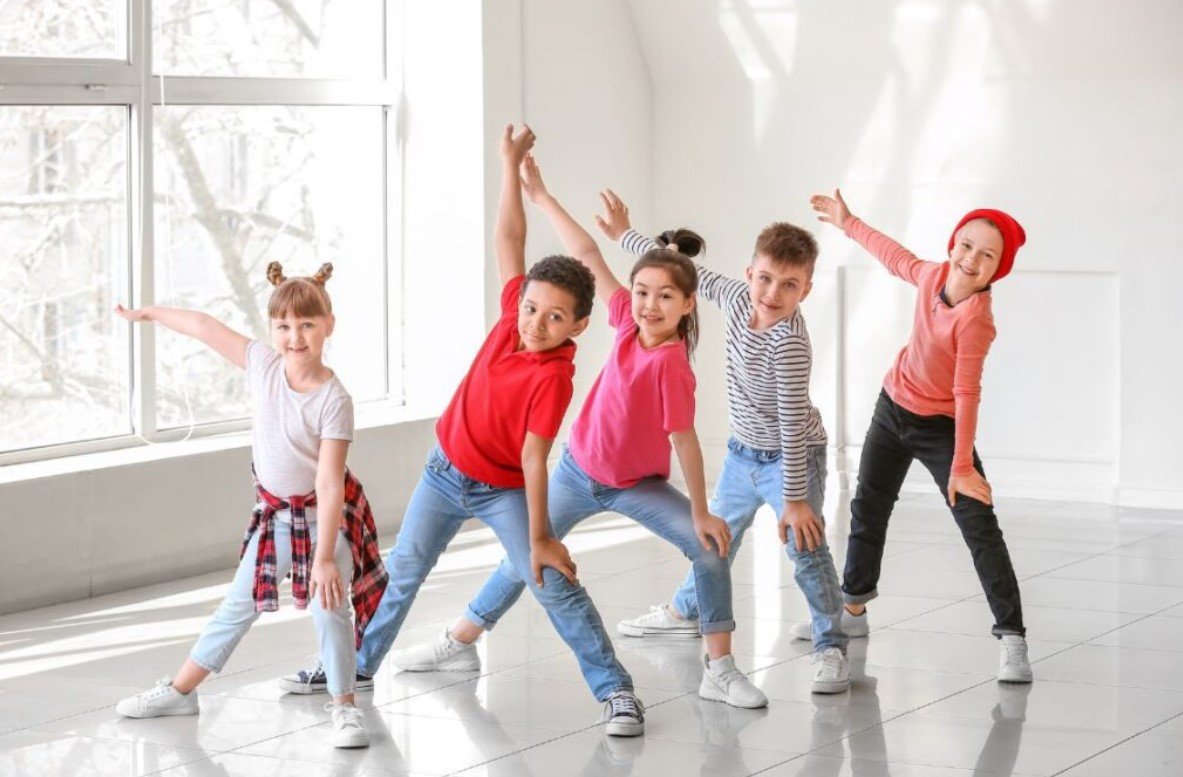
Children are naturally full of energy, curiosity, and a desire to move. Finding an activity that allows them to express that energy while developing valuable physical skills can make a meaningful difference in their growth. Jazz dance for kids is one such activity. With its lively movements, upbeat music, creative routines, and exciting style, jazz dance gives children an enjoyable way to stay active while improving coordination and flexibility.
Unlike repetitive exercise, jazz dance combines movement with music and expression. Children learn how to control different parts of their bodies, follow rhythms, remember movement patterns, and perform a variety of stretches and dance techniques. Over time, these activities can help build stronger movement skills that are useful both inside and outside the dance studio.
Understanding Coordination and Flexibility
Coordination is the ability to control and organize body movements effectively. For children, coordination involves skills such as balancing, changing direction, moving the arms and legs together, and responding to rhythm. Good coordination can help children participate more confidently in sports, playground activities, and everyday physical tasks.
Flexibility refers to the ability of muscles and joints to move through a comfortable range of motion. Dance training often includes stretches and movements designed to gradually improve mobility. When children practice safely and consistently, they can become more comfortable with movements such as reaching, bending, kicking, turning, and extending their legs.
Jazz dance for kids brings these two important physical abilities together through structured but enjoyable movement.
How Jazz Dance Improves Body Coordination
Jazz dance routines require children to pay attention to several movements at the same time. A dancer may need to step in one direction while moving their arms, keeping time with the music, and preparing for the next move. This combination encourages children to become more aware of how their bodies move.
Learning to Move Different Body Parts Together
Many jazz movements involve coordinated actions between the upper and lower body. For example, a child might step forward, swing an arm, turn their head, and then perform a kick. At first, managing all these movements may feel challenging. With practice, however, children begin to connect these actions more smoothly.
This process helps improve overall body control. Young dancers learn that each movement has a purpose and that timing matters. As they repeat combinations, their movements often become more accurate and confident.
Developing Rhythm and Timing
Music plays an important role in Jazz dance for kids. Children learn to listen carefully to beats, counts, and changes in tempo. They may practice movements in sets of eight counts or adjust their actions to match faster and slower sections of a song.
Learning to move with rhythm can strengthen coordination because the brain and body must work together. Children listen, process what they hear, and respond through movement. Over time, they can become better at anticipating the next count and performing movements at the appropriate moment.
Building Better Balance and Spatial Awareness
Jazz dance also encourages children to understand where their bodies are positioned in space. They learn to travel across the floor, change directions, maintain personal space, and perform movements without losing balance.
Balance Through Dance Techniques
Simple jazz exercises may include standing on one leg, performing turns, holding controlled positions, or transitioning smoothly between movements. These activities challenge children to stabilize their bodies.
As dancers develop strength and body awareness, they can improve their ability to stay balanced. Better balance is valuable not only for dance but also for activities such as running, cycling, playing sports, and navigating everyday environments.
Awareness of Space
Dance classes often teach children how to move in different directions, including forward, backward, sideways, and diagonally. They may also learn to dance in formations with other students. This requires awareness of both their own movements and the people around them.
Through Jazz dance for kids, children can gradually become more comfortable controlling their movement within a shared space.
How Jazz Dance Supports Flexibility
Flexibility is an important part of many dance styles, and jazz dance includes a wide range of movements that encourage mobility. A typical class may begin with a warm-up and stretching routine before moving into more active dance exercises.
Regular Stretching
Jazz dancers often practice stretches for the legs, hips, back, shoulders, and other major areas of the body. These stretches can prepare the body for movements such as kicks, leaps, lunges, and extensions.
Consistent practice can gradually improve a child’s range of motion. However, flexibility develops over time, so children should never be forced into painful positions. Proper instruction and age-appropriate exercises are essential.
Dynamic Movement
Jazz dance is not limited to holding stretches. It also uses active movements that encourage mobility. High kicks, controlled leg swings, bends, reaches, and traveling movements all require the body to move through different ranges.
This makes Jazz dance for kids an engaging way to develop flexibility while staying active. Children may not even think of the movements as exercise because they are focused on learning a routine and enjoying the music.
Improving Strength Alongside Flexibility
Flexibility works best when it is supported by strength and control. A child who can lift their leg high but cannot control the movement may struggle with proper technique. Jazz dance helps develop both abilities.
Dance exercises can strengthen the legs, core, and other muscles needed for posture and stability. As children practice controlled movements, they learn how to support their bodies while stretching and extending.
This balance between strength and flexibility can help young dancers perform movements with greater confidence and control.
Encouraging Brain-Body Connections
One of the most interesting benefits of dance is the connection between thinking and movement. During a jazz class, children must remember combinations, listen to instructions, respond to music, and coordinate their bodies.
A teacher might demonstrate several movements and then ask students to perform them in sequence. Children must use concentration and memory while maintaining rhythm and technique. These repeated challenges strengthen the connection between mental focus and physical action.
As children become familiar with dance combinations, they often learn how to react more quickly and move with greater confidence.
Building Confidence Through Movement
Physical improvement is only one benefit of Jazz dance for kids. As children learn new steps and notice their progress, they can develop a stronger sense of accomplishment.
A movement that once felt difficult may become easier after several weeks of practice. Successfully learning a routine or performing in front of others can give children a feeling of pride. This confidence may encourage them to try new movements and continue developing their skills.
Jazz dance also provides opportunities for creative expression. Children can use facial expressions, energy, and personality to bring routines to life, making the learning experience both physical and artistic.
Making Dance a Fun Part of a Healthy Lifestyle
Perhaps one of the greatest advantages of Jazz dance for kids is that it makes physical activity enjoyable. Children are more likely to stay engaged when movement feels exciting rather than like a chore. The combination of music, creativity, social interaction, and energetic choreography creates a positive environment for developing important physical abilities.
Whether a child is interested in becoming a serious dancer or simply wants an enjoyable after-school activity, jazz dance can provide valuable opportunities for movement and growth.
Conclusion
Jazz dance for kids is an excellent activity for supporting coordination, flexibility, balance, strength, and body awareness. Through rhythmic exercises, stretching, turns, kicks, and choreographed routines, children learn how to control their bodies in increasingly confident and coordinated ways.
With regular practice and proper guidance, jazz dance can help children develop physical skills while allowing them to have fun, express themselves, and enjoy the excitement of movement. By turning exercise into a creative and energetic experience, jazz dance gives young learners a strong foundation for an active and confident lifestyle.
