

Flies are among the most frustrating pests found in homes, offices, restaurants, and outdoor spaces. They spread bacteria, contaminate food, and create an unpleasant environment for everyone around. Whether it is a few buzzing insects in the kitchen or a large infestation around garbage areas, taking quick action is essential. Proper Pest Control for Flies not only improves cleanliness but also helps protect your health and comfort.
Keeping flies away requires more than just spraying chemicals. Effective prevention involves sanitation, proper waste management, natural remedies, and professional treatments when necessary. Understanding why flies gather in certain areas can help you stop the problem before it gets worse.
Why Flies Become a Serious Problem
Flies are attracted to food waste, moisture, and decaying organic materials. Kitchens, garbage bins, drains, pet areas, and gardens often provide ideal breeding spots. Once flies find a food source, they reproduce rapidly and become difficult to eliminate.
Some common risks caused by flies include:
- Spreading harmful bacteria
- Contaminating food and surfaces
- Triggering allergies in sensitive people
- Creating foul smells in infested areas
- Disturbing sleep and comfort
This is why investing in proper Pest Control for Flies is important for both residential and commercial properties.
Common Types of Flies Found Indoors
Understanding the type of fly invading your space can help you choose the right control method.
House Flies
House flies are the most common indoor pests. They are usually found near food, trash bins, and dining areas.
Fruit Flies
Fruit flies are tiny insects attracted to overripe fruits, sugary liquids, and damp drains.
Drain Flies
Drain flies breed inside dirty drains and moist pipes. They often appear in bathrooms and kitchens.
Blow Flies
These flies are larger and metallic in color. They are attracted to dead animals and decaying matter.
Different infestations may require different Pest Control for Flies strategies for long-term results.
Keep Your Home Clean to Prevent Flies
Cleanliness is the first defense against fly infestations. Flies thrive in dirty environments, so removing food sources is essential.
Clean Kitchen Surfaces Daily
Wipe counters, tables, and sinks after every meal. Food crumbs and spills quickly attract flies.
Store Food Properly
Use sealed containers for fruits, vegetables, snacks, and leftovers. Open food items are easy targets for flies.
Empty Trash Regularly
Garbage bins should be cleaned often and tightly covered. Overflowing trash is one of the biggest causes of fly problems.
Wash Dishes Immediately
Dirty dishes left overnight can attract flies and encourage breeding.
Maintaining hygiene significantly improves Pest Control for Flies and reduces the chance of infestation.
Natural Remedies for Fly Control
Many homeowners prefer natural methods before using chemical treatments. These remedies can work effectively for mild infestations.
Apple Cider Vinegar Trap
Pour apple cider vinegar into a bowl and add a few drops of dish soap. Fruit flies become trapped inside the liquid.
Lemon and Cloves
Placing cloves into cut lemons creates a natural fly repellent due to the strong scent.
Essential Oils
Peppermint, eucalyptus, lavender, and citronella oils help repel flies naturally.
Basil and Mint Plants
Keeping these plants near windows and kitchens can discourage flies from entering.
Natural Pest Control for Flies solutions are safer for households with children and pets when used correctly.
Seal Entry Points Around Your Home
Flies often enter through open windows, damaged screens, and cracks around doors.
Install Window Screens
Fine mesh screens help block flies while allowing fresh air indoors.
Repair Cracks and Gaps
Seal small openings around doors, vents, and windows to reduce fly entry.
Keep Doors Closed
Avoid leaving doors open for long periods, especially during warmer months when flies are more active.
Preventing entry is one of the easiest and most affordable forms of Pest Control for Flies.
Proper Waste Management Matters
Waste control plays a major role in reducing fly populations.
Use Covered Garbage Bins
Always use trash containers with secure lids.
Dispose of Organic Waste Quickly
Food scraps, meat waste, and spoiled produce should not remain indoors for long periods.
Clean Outdoor Areas
Pet waste, compost piles, and standing water can attract flies around your property.
Strong waste management habits make Pest Control for Flies far more effective over time.
Chemical Treatments for Severe Infestations
Sometimes natural methods may not fully solve the problem. In severe infestations, chemical solutions can provide faster relief.
Fly Sprays
Aerosol sprays kill flies on contact and work well for immediate control.
Fly Baits
Baits attract and poison flies, reducing populations quickly.
Insect Growth Regulators
These treatments stop larvae from developing into adult flies.
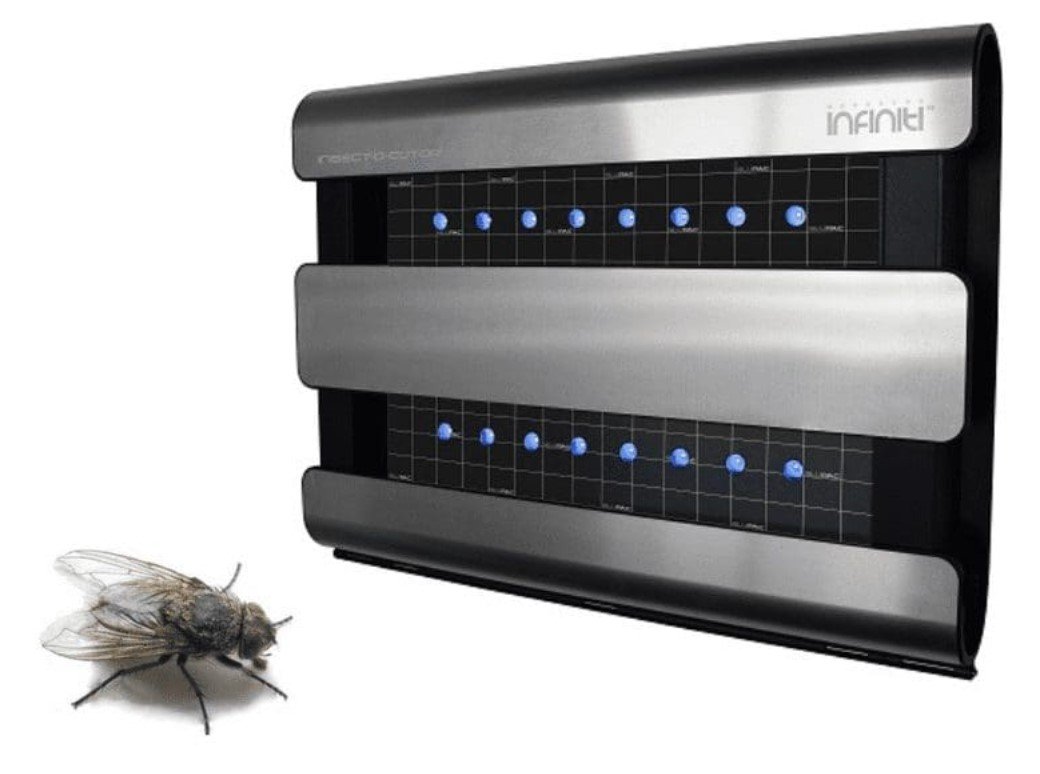
UV Light Traps
Electric traps attract flies using ultraviolet light and capture them effectively.
When using chemicals for Pest Control for Flies, always follow safety instructions carefully and keep products away from children and pets.
Professional Pest Control Services
If flies continue returning despite home treatments, professional exterminators may be necessary.
Experts can:
- Identify hidden breeding areas
- Use commercial-grade treatments
- Provide long-term prevention plans
- Inspect drains, walls, and waste systems
Professional Pest Control for Flies services are especially useful for restaurants, food businesses, warehouses, and heavily infested homes.
Outdoor Fly Prevention Tips
Outdoor spaces can also attract large numbers of flies if not maintained properly.
Remove Standing Water
Water buildup encourages insect breeding.
Maintain Gardens
Rotting plants and overripe fruits should be removed regularly.
Clean BBQ and Dining Areas
Outdoor cooking spaces often leave behind food residue that attracts flies.
Use Outdoor Fans
Flies struggle to fly in strong air movement, making fans useful for patios and seating areas.
Outdoor maintenance supports better indoor Pest Control for Flies as well.
Seasonal Fly Control Strategies
Flies become more active during warm and humid weather. Preparing ahead of seasonal changes can help reduce infestations.
Spring Cleaning
Deep clean kitchens, storage areas, and drains before summer arrives.
Summer Protection
Increase garbage disposal frequency and use window screens consistently.
Rainy Season Care
Check drains and eliminate excess moisture around the home.
Seasonal planning improves the effectiveness of Pest Control for Flies throughout the year.
Signs You May Have a Fly Infestation
Early detection helps prevent larger infestations. Watch for these warning signs:
- Large numbers of flies indoors
- Maggots near trash or drains
- Buzzing sounds around waste areas
- Flies gathering near windows
- Bad odors from hidden organic matter
Taking action quickly makes Pest Control for Flies much easier and less expensive.
Conclusion
Flies are more than just annoying insects. They can spread bacteria, contaminate food, and make living spaces uncomfortable. Maintaining cleanliness, managing waste properly, sealing entry points, and using effective treatments are the key steps for successful Pest Control for Flies. Whether you choose natural remedies, chemical treatments, or professional services, consistency is the most important factor. By taking preventive measures and addressing infestations early, you can keep your home or business cleaner, healthier, and free from unwanted flies.
