

Cooking over high heat is not just about making food faster—it is about unlocking deeper flavors, better textures, and that irresistible aroma that makes a dish memorable. From perfectly seared meats to crispy parathas and smoky stir-fries, the type of cookware you use plays a major role in the final result. Among all options available today, cast iron continues to stand out as one of the most powerful and reliable materials for high heat cooking. Its ability to hold heat, distribute it evenly, and enhance natural flavors makes it a favorite in both traditional kitchens and modern culinary spaces.
The Science Behind Cast Iron Cooking
One of the biggest reasons chefs and home cooks prefer cast iron is its exceptional heat retention. Unlike aluminum or thin stainless steel pans that cool down quickly when food is added, cast iron maintains a stable temperature. This is crucial for high-heat cooking because sudden temperature drops often lead to soggy or unevenly cooked food.
When you place food on a properly heated cast iron surface, it immediately begins to sear. This triggers the Maillard reaction—the process responsible for browning and developing deep, complex flavors. Whether you’re frying vegetables, roasting meats, or making traditional Indian dishes, cast iron ensures that every bite carries a rich, roasted depth that is hard to replicate with other cookware.
Why Cast Iron Tawa Is a Kitchen Essential
In South Asian cooking, the cast iron tawa holds a special place. It is commonly used for making rotis, parathas, dosas, and even shallow-frying snacks. What makes a cast iron tawa superior is its ability to provide consistent high heat across its surface.
Unlike non-stick pans that may develop hot spots or lose coating over time, a cast iron tawa becomes better with age. As it is seasoned repeatedly, it develops a natural non-stick layer that enhances both cooking performance and flavor. The high heat capability ensures that rotis puff up perfectly, parathas turn crisp and golden, and dosas achieve that ideal crispy edge.
Another major advantage is durability. A cast iron tawa can last for decades if maintained properly, making it a long-term investment rather than a disposable kitchen tool.
Better Flavor, Better Texture
High heat cooking in cast iron does something unique—it enhances natural flavors without overpowering them. When food is exposed to steady, intense heat, moisture is sealed inside while the exterior develops a crisp, caramelized layer.
This is especially important for dishes like stir-fried vegetables, kebabs, and curries that require quick browning. Instead of boiling or steaming in their own juices, ingredients cooked in cast iron maintain their structure and taste. The result is food that feels richer, more authentic, and closer to traditional home-style cooking.
Comparing Cast Iron With Modern Cookware
Modern cookware options like non-stick pans or stainless steel may offer convenience, but they often fall short in high-heat performance. Non-stick coatings degrade under extreme temperatures, while stainless steel can struggle with uneven heating.
In contrast, cast iron thrives under high heat conditions. It does not warp, peel, or lose its cooking ability over time. While it may take slightly longer to heat up, once it reaches the desired temperature, it stays consistent throughout the cooking process. This stability is what makes it ideal for serious cooking enthusiasts.
The Versatility of Cast Iron Cookware
Beyond traditional frying and roasting, cast iron is incredibly versatile. It can be used for baking, grilling, slow cooking, and even modern fusion dishes. From rustic breads to sizzling steaks, it adapts effortlessly to different cooking styles.
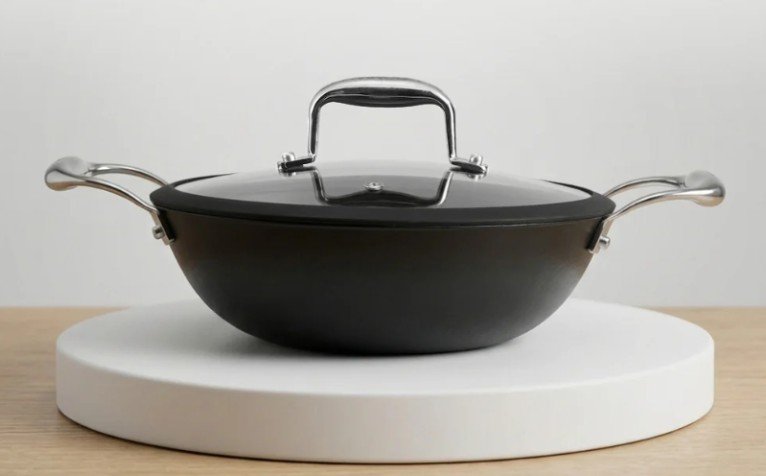
A great example of modern innovation in this space is the Vinod Ferona Cast Iron Kadai. This cookware blends traditional cast iron strength with advanced technology for improved usability. It is crafted using EnduriT Technology, which enhances durability while maintaining excellent heat retention and distribution.
What makes this kadai unique is its non-reactive matte enamel coating. Unlike traditional cast iron that requires regular seasoning, this enamel layer prevents rusting, resists stains, and eliminates food odors. It also offers a naturally smooth surface that makes cooking and cleaning much easier.
The Vinod Ferona Cast Iron Kadai is designed for modern kitchens. It is compatible with gas, induction, and electric cooktops, making it highly versatile. Whether you are deep frying snacks, preparing slow-cooked curries, or making festive dishes, it delivers consistent results with rich flavor and texture.
Maintenance and Longevity
One of the most discussed aspects of cast iron cookware is maintenance. Traditional cast iron requires seasoning—coating the surface with oil and heating it to build a natural non-stick layer. While this may seem like extra effort, it significantly enhances performance over time.
However, modern innovations like enamel-coated cast iron have reduced this requirement. Cookware like the Vinod Ferona Kadai eliminates the need for seasoning altogether while still preserving the strength of cast iron. This makes it more user-friendly, especially for busy households.
With proper care, cast iron cookware can last generations. Avoiding harsh detergents, drying it immediately after washing, and storing it properly ensures it remains in excellent condition for years.
Final Thoughts
High heat cooking demands cookware that can handle intensity without compromising flavor or texture. Cast iron meets this demand better than most materials available today. Its ability to retain heat, distribute it evenly, and enhance natural flavors makes it a timeless kitchen essential.
A cast iron tawa is especially valuable for everyday cooking, offering consistency and durability that modern pans often lack. Meanwhile, innovations like enamel-coated cast iron cookware bring together tradition and convenience, making it easier than ever to enjoy the benefits of this classic material.
