

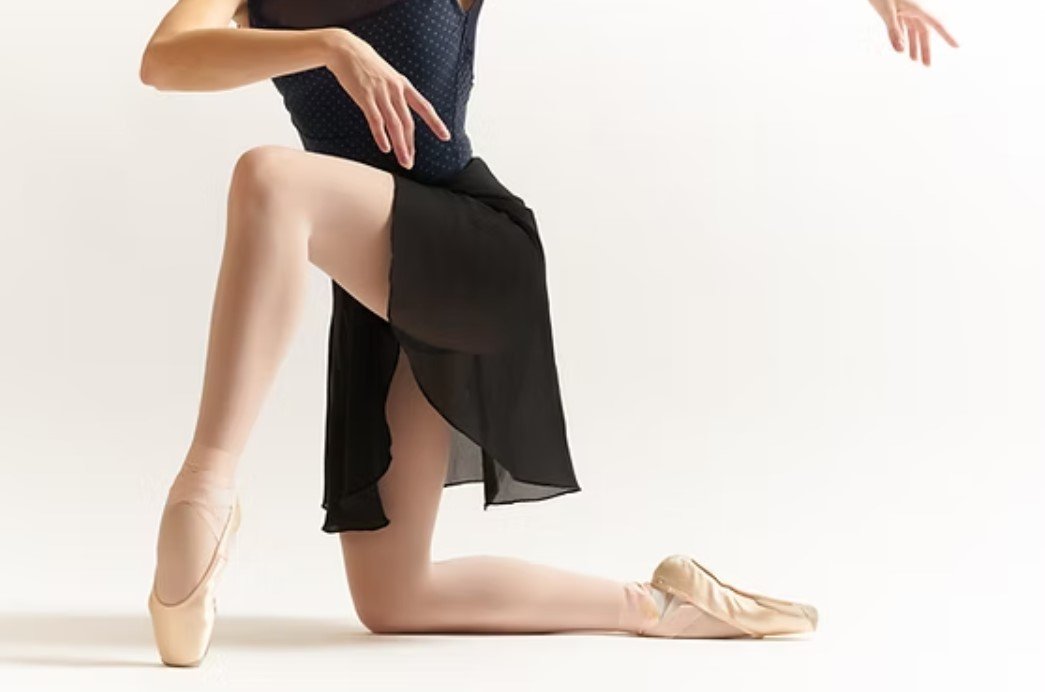
Every young dancer dreams of gliding effortlessly across the stage, balanced delicately on pointe. For parents, however, that dream often comes with a long list of questions, concerns, and uncertainties. Understanding when and how a child is ready for pointe work is essential for both safety and long-term success. This guide answers the most bold and pressing concerns in Frequently Asked Parent Questions About Pointe Readiness, helping you make informed decisions for your child’s dance journey.
What Is Pointe Readiness?
Before diving into detailed questions, it’s important to understand what pointe readiness actually means. Pointe readiness refers to a dancer’s physical, technical, and emotional preparedness to begin training in pointe shoes. It’s not just about age—it involves strength, alignment, discipline, and consistent training.
Why Is Pointe Readiness So Important?
One of the most Frequently Asked Parent Questions About Pointe Readiness is why the timing matters so much. The answer is simple: starting pointe too early can lead to injuries such as stress fractures, ankle instability, or long-term joint damage.
A dancer’s bones—especially in the feet—need to be fully developed. Without proper readiness, the pressure of pointe work can do more harm than good. Ensuring readiness protects your child’s health while allowing them to progress safely.
What Age Should My Child Start Pointe?
Age is one of the first things parents ask about in Frequently Asked Parent Questions About Pointe Readiness. While many dancers begin pointe work between ages 11 and 13, age alone is not a reliable indicator.
Instead, teachers evaluate:
- Years of ballet training (usually 3–5 years minimum)
- Strength in the ankles and core
- Proper technique and posture
- Consistency in classes
Even if your child is within the “typical” age range, they may need more time—and that’s perfectly normal.
How Do Teachers Determine Pointe Readiness?
Another key topic in Frequently Asked Parent Questions About Pointe Readiness is how instructors make their decisions. Qualified ballet teachers assess several factors, including:
Physical Strength
Dancers must have strong ankles, legs, and core muscles to support their body weight on pointe.
Technique
Proper alignment, turnout, and balance are essential. Poor technique can lead to serious injuries when transitioning to pointe.
Flexibility
Adequate flexibility in the feet and ankles helps dancers achieve the correct pointe position safely.
Maturity and Focus
Pointe work requires discipline and attention to detail. Teachers look for dancers who can follow corrections carefully.
Can My Child Practice at Home to Get Ready?
Parents often ask this in Frequently Asked Parent Questions About Pointe Readiness, hoping to help their child progress faster. While practice is helpful, it must be done correctly.
Safe at-home exercises include:
- Theraband foot strengthening
- Core workouts
- Balance exercises
However, pointe-specific training should never be attempted at home without professional supervision. Improper practice can cause injury and delay progress.
What Are Signs My Child Is Ready for Pointe?
Recognizing readiness is a major concern in Frequently Asked Parent Questions About Pointe Readiness. Some common indicators include:
- Strong and stable balance on demi-pointe
- Ability to maintain correct posture consistently
- Good turnout without forcing
- Strong ankle alignment (no rolling inward or outward)
Ultimately, the final decision should always come from a qualified dance instructor.
What If My Child Isn’t Ready Yet?
It’s natural for children to feel disappointed if they’re not approved for pointe. This is another common issue discussed in Frequently Asked Parent Questions About Pointe Readiness.
As a parent, you can support your child by:
- Encouraging patience and persistence
- Reminding them that everyone progresses at their own pace
- Focusing on improving strength and technique
Delaying pointe work is often a sign of a responsible teacher who prioritizes student safety.
Are Pointe Shoes Dangerous?
Safety concerns frequently come up in Frequently Asked Parent Questions About Pointe Readiness. Pointe shoes themselves are not dangerous—when used correctly and at the right time.
Risks arise when:
- A dancer starts too early
- Proper technique is lacking
- Shoes are not fitted correctly
With proper guidance, pointe work can be a safe and rewarding part of ballet training.
How Do I Choose the Right Pointe Shoes?
Once your child is ready, selecting the right shoes becomes crucial. This topic is often included in Frequently Asked Parent Questions About Pointe Readiness.
Here’s what to consider:
- Professional fitting by an experienced fitter
- Proper support and comfort
- Correct size and width
Never buy pointe shoes online without a fitting, especially for beginners. Ill-fitting shoes can lead to pain and injury.
How Often Should My Child Do Pointe Work?
Another important concern in Frequently Asked Parent Questions About Pointe Readiness is training frequency. Beginners usually start with limited pointe work—often just 10–15 minutes at the end of a class.
As strength and skill improve, the duration gradually increases. Overtraining too early can lead to fatigue and injury, so progression should always be gradual.
What Role Do Parents Play in Pointe Readiness?
Parents play a vital role in supporting their child’s journey, a topic often highlighted in Frequently Asked Parent Questions About Pointe Readiness.
You can help by:
- Trusting the teacher’s judgment
- Ensuring your child attends classes regularly
- Encouraging proper nutrition and rest
- Avoiding pressure to start pointe too early
Your support helps build confidence and ensures a positive experience.
Final Thoughts
Navigating the world of ballet can feel overwhelming, especially when it comes to important milestones like pointe work. By understanding the answers to Frequently Asked Parent Questions About Pointe Readiness, you can make informed decisions that prioritize your child’s safety, growth, and happiness.
Pointe work is a beautiful achievement, but it’s not a race. With patience, proper training, and supportive guidance, your child will be well-prepared to take this exciting step at the right time.
