

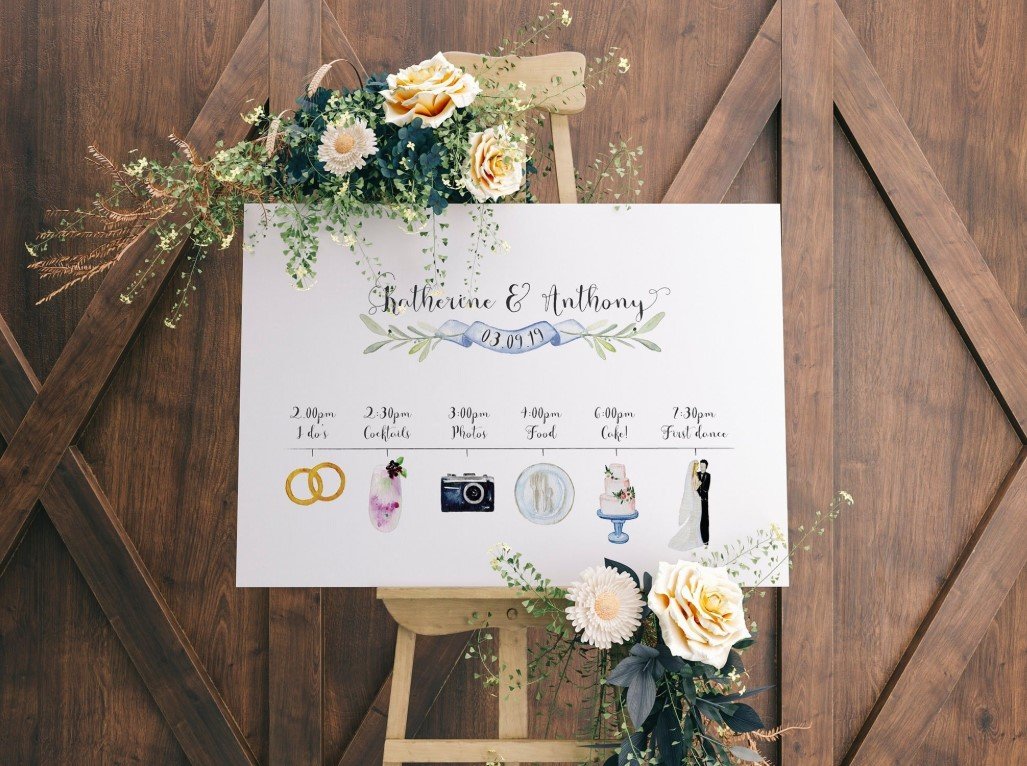
A well-planned wedding is more than just a beautiful ceremony and reception—it’s a carefully orchestrated sequence of events that ensures everything flows smoothly. One of the most overlooked yet crucial aspects of wedding planning is creating a detailed timeline. Without it, even the most thoughtfully designed weddings can feel rushed or chaotic. With the right structure, your special day can unfold effortlessly, allowing you to focus on enjoying every moment.
Why a Wedding Timeline Matters
A wedding timeline acts as the backbone of your entire day. It keeps vendors, guests, and the wedding party aligned and ensures that no important detail is missed. From the moment you wake up to the final dance of the night, a clear schedule helps minimize stress and maximizes enjoyment.
When everyone knows where they need to be and when, it reduces confusion and last-minute scrambling. Photographers can capture the best moments, caterers can serve meals on time, and you can move seamlessly from one part of the celebration to the next.
Starting with the Ceremony
The ceremony is the heart of your wedding day, so everything should revolve around it. Begin by setting the ceremony time, then work backward and forward to build your schedule.
For example, if your ceremony is at 4:00 PM, guests should start arriving around 3:30 PM. The bridal party should be ready at least 30 minutes earlier for final preparations and photos. This ensures that everything begins on time without unnecessary delays.
Getting Ready: Allocate Enough Time
One of the most underestimated parts of a wedding day is the preparation phase. Hair, makeup, dressing, and pre-ceremony photos can take longer than expected. It’s wise to allow extra time for these activities to avoid feeling rushed.
Start your day early, especially if you have a large bridal party. Assign specific time slots for each person’s hair and makeup, and ensure that professionals arrive on time. Building in buffer time can help accommodate any unexpected delays.
The Importance of Photography Timing
Photography plays a significant role in preserving your wedding memories. Work closely with your photographer to create a schedule that allows for both posed and candid shots.
Consider doing a “first look” before the ceremony if you want to capture intimate moments and complete most of your portraits early. This can free up more time after the ceremony to enjoy your cocktail hour with guests.
Group photos with family and friends should also be planned in advance. Create a list of must-have shots and share it with your photographer to keep things organized and efficient.
Planning the Reception Flow
After the ceremony, the reception is where the celebration truly comes alive. A structured timeline ensures that key moments like the grand entrance, speeches, dinner, and dancing happen smoothly.
Start with the cocktail hour, which typically lasts about an hour. This gives guests time to mingle while you finish photos. Then move into the reception with a grand entrance, followed by dinner service.
Speeches are often scheduled during or after dinner, depending on your preference. The first dance, cake cutting, and other traditions should be spaced out to maintain energy and engagement throughout the evening.
Coordinating with Vendors
Your wedding vendors are essential partners in bringing your vision to life. Sharing your timeline with them ensures everyone is on the same page.
Communicate clearly with your caterer, DJ or band, photographer, and planner. Confirm arrival times, setup requirements, and key moments they need to be prepared for. This level of coordination helps prevent misunderstandings and keeps everything running smoothly.
Building in Buffer Time
No matter how well you plan, unexpected delays can happen. That’s why it’s important to include buffer time in your schedule.
Adding 10–15 minutes between major events can make a big difference. It allows for flexibility without affecting the overall flow of the day. Whether it’s a late arrival or a wardrobe adjustment, having extra time ensures you stay on track.
Staying Flexible and Present
While a timeline is essential, it’s equally important to remain flexible. Weddings are emotional and dynamic events, and sometimes things don’t go exactly as planned.
Instead of stressing over minor delays, focus on the bigger picture—celebrating your love with family and friends. A positive mindset can turn unexpected moments into cherished memories.
Final Thoughts
Creating a wedding day timeline may seem like a daunting task, but it’s one of the most valuable tools you can have. It provides structure, reduces stress, and ensures that your celebration unfolds beautifully.
By planning ahead, coordinating with vendors, and allowing for flexibility, you can enjoy a seamless and unforgettable wedding day. After all, the goal is not just perfection—it’s creating meaningful moments that you’ll treasure for a lifetime.
