

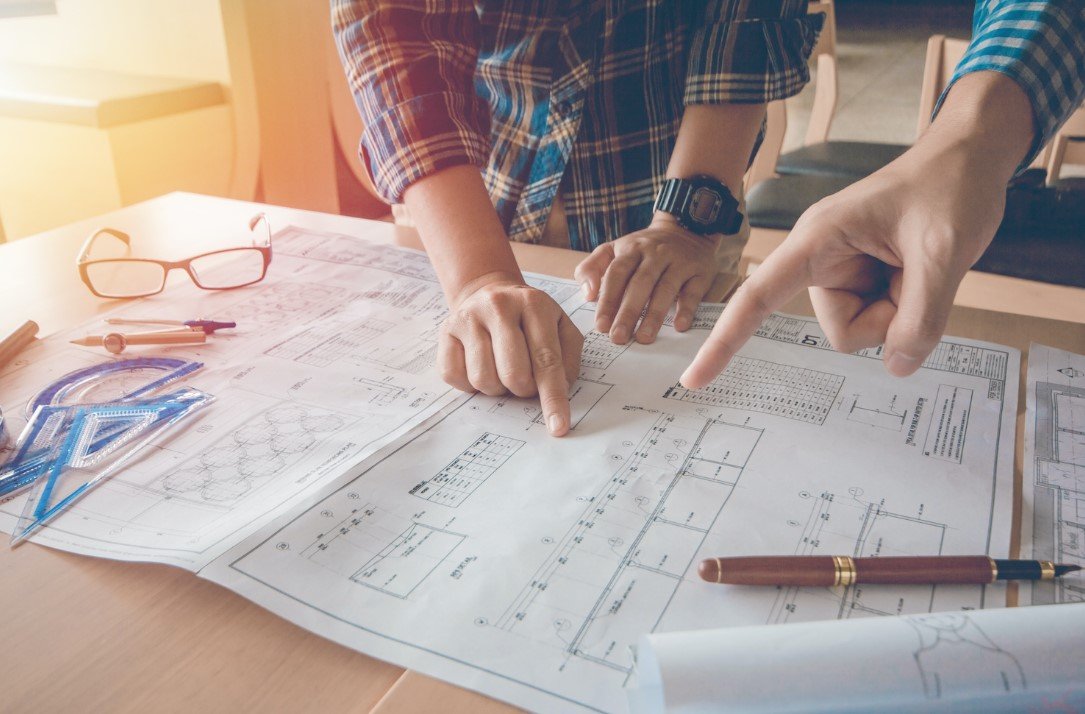
Building a home from the ground up is an exciting journey, but for many homeowners, the process can feel overwhelming. From selecting designs to managing budgets, there’s a lot to consider. This is where a skilled professional comes into play. But what does a custom home builder do exactly? Let’s explore the comprehensive role these experts play in turning your dream home into reality.
A fresh coat of paint can completely transform the look and feel of any space, adding value, personality, and protection to your home or business. If you’re searching for reliable professionals who deliver clean, precise, and long-lasting results, consider choosing Armenta Painting LLC for painting contractors Greensboro, NC to handle your next project. From interior walls and ceilings to exterior surfaces, experienced painters ensure smooth finishes, proper preparation, and attention to detail that make all the difference in achieving a polished and professional appearance.
The Role of a Custom Home Builder
A custom home builder is not just a contractor; they are the guiding force behind the entire home construction process. Their responsibilities span multiple stages, from conceptualization to the final walkthrough. Understanding these stages will help homeowners make informed decisions and ensure the project proceeds smoothly.
Initial Consultation and Planning
The first step in any custom home project is consultation. During this phase, a builder meets with the client to discuss their vision, budget, and specific needs. This stage involves:
-
Understanding lifestyle requirements
-
Discussing preferred architectural styles
-
Reviewing the size, layout, and special features
At this stage, homeowners gain insight into what does a custom home builder do when helping translate abstract ideas into tangible plans. The builder may also suggest modifications to improve functionality or stay within budget.
Design Development
Once the initial plan is outlined, the builder collaborates with architects and designers to develop detailed blueprints. This stage includes:
-
Creating floor plans and elevations
-
Selecting materials and finishes
-
Coordinating with engineers for structural details
Here, the builder’s expertise is crucial. They ensure that the designs are practical, code-compliant, and feasible within the set budget. They also advise on energy efficiency, sustainability, and innovative building techniques.
Budgeting and Cost Management
One of the most critical aspects of custom home building is budgeting. A professional builder helps homeowners create a realistic budget that covers:
-
Construction costs
-
Material procurement
-
Labor and subcontractor expenses
-
Permits and inspections
Understanding what does a custom home builder do in this stage ensures that there are no hidden costs or surprises down the line. Experienced builders provide transparent estimates and often help prioritize features based on financial constraints.
Obtaining Permits and Legal Compliance
Construction requires adherence to local building codes and regulations. Custom home builders manage this process by:
-
Submitting plans to local authorities
-
Securing necessary permits
-
Scheduling inspections at various stages of construction
By handling these legalities, builders relieve homeowners of complex administrative burdens, ensuring the project proceeds without delays or penalties.
Managing Construction and Subcontractors
Once the groundwork is laid, construction begins. Here’s where the builder’s role expands into project management. They coordinate with:
-
Subcontractors such as electricians, plumbers, and masons
-
Suppliers for timely delivery of materials
-
On-site teams to maintain schedules and quality standards
By managing the workflow, a custom home builder ensures that each phase is executed correctly. They monitor progress, address unexpected issues, and adapt plans if challenges arise, which is a key aspect of what does a custom home builder do during the hands-on building process.
Quality Assurance and Inspections
Maintaining high standards of quality is a primary responsibility of custom home builders. They conduct:
-
Regular site inspections
-
Material quality checks
-
Safety compliance monitoring
This oversight guarantees that the home not only meets design expectations but is also safe, durable, and built to last.
Communication and Problem-Solving
A successful home building experience depends on clear communication. Builders serve as the central point of contact between homeowners, designers, and subcontractors. They address concerns, solve problems, and keep clients informed at every step. Understanding what does a custom home builder do in communication helps homeowners feel confident that their vision is accurately represented and executed.
Customization and Personalization
Unlike production homes, custom homes allow for personalized features. A builder assists in implementing:
-
Unique floor plans or room layouts
-
Specialized storage solutions
-
Custom finishes, cabinetry, and fixtures
Their role is to ensure that each detail aligns with the homeowner’s vision, balancing creativity with practicality.
Final Walkthrough and Handover
After construction is complete, the builder conducts a final walkthrough with the homeowner. This involves:
-
Inspecting the home for defects or issues
-
Confirming that all design elements are implemented
-
Providing guidance on maintenance and warranty
The goal is to ensure homeowners are fully satisfied with their investment, highlighting another critical aspect of what does a custom home builder do — delivering a finished product that meets or exceeds expectations.
Why Hiring a Professional Builder Matters
Choosing the right custom home builder can make the difference between a stressful project and a seamless experience. Professionals bring:
-
Expertise in construction and design
-
Access to reliable subcontractors and suppliers
-
Insight into cost-saving measures without compromising quality
-
Guidance through complex legal and technical requirements
By understanding what does a custom home builder do, homeowners can make informed decisions, avoid common pitfalls, and enjoy a smoother, more predictable building journey.
Conclusion
Building a custom home is more than just constructing walls and roofs—it’s about creating a space tailored to your lifestyle, preferences, and dreams. A skilled custom home builder plays an integral role at every stage, from planning and design to construction and final handover. They act as a project manager, problem solver, and creative partner, ensuring that the final home reflects both quality and individuality.
When asking what does a custom home builder do, it becomes clear that their role is comprehensive and indispensable. By guiding homeowners through complex decisions, managing budgets, coordinating construction, and ensuring quality, they transform the dream of a perfect home into a reality.
