

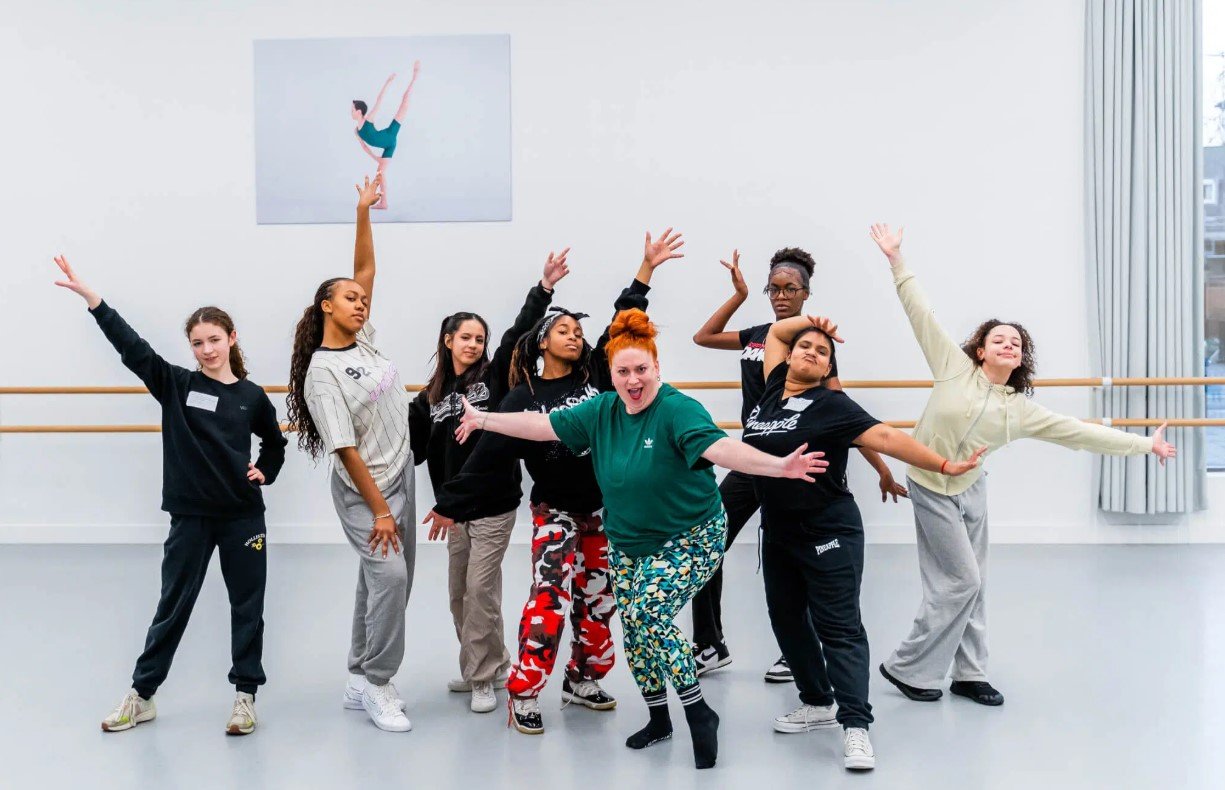
Movement has always been a natural way for humans to express joy, culture, and connection. Recreational dance programs take this timeless form of expression and turn it into an accessible, enjoyable activity for people of all ages and abilities. Unlike competitive or professional dance training, recreational dance focuses on enjoyment, personal growth, and overall well-being rather than pressure or perfection. Understanding the Top Benefits of Recreational Dance Programs can help parents, educators, and individuals make informed choices about incorporating dance into everyday life.
Table of Contents
ToggleWhat Are Recreational Dance Programs?
Recreational dance programs are structured dance classes designed primarily for fun, fitness, and social engagement. They welcome beginners and experienced dancers alike, offering styles such as hip-hop, jazz, ballet, contemporary, folk, or cultural dance without the stress of auditions or competitions. The emphasis is on participation, creativity, and consistency rather than trophies or rankings.
Physical Health Advantages of Recreational Dance
Improved Cardiovascular Fitness
One of the Top Benefits of Recreational Dance Programs is improved heart health. Dance involves continuous movement, which raises the heart rate and improves blood circulation. Regular participation can help strengthen the heart, increase stamina, and support long-term cardiovascular wellness.
Enhanced Strength and Flexibility
Dance naturally engages multiple muscle groups at once. Over time, recreational dance improves muscle tone, balance, and flexibility. Movements like jumps, turns, and stretches help build core strength while keeping joints mobile and resilient.
Better Coordination and Balance
Learning dance steps improves body awareness and coordination. Recreational dance encourages dancers to synchronize their movements with rhythm and space, which enhances balance and motor skills. This benefit is especially valuable for children and older adults.
Mental and Emotional Benefits
Stress Reduction and Emotional Release
Another key aspect of the Top Benefits of Recreational Dance Programs is mental well-being. Dancing releases endorphins, the body’s natural “feel-good” chemicals, which help reduce stress and anxiety. Music combined with movement provides an emotional outlet that promotes relaxation and happiness.
Boosted Self-Confidence
Recreational dance creates a supportive environment where participants can learn at their own pace. As dancers master new steps and routines, they build confidence in their abilities. This sense of achievement often carries over into other areas of life, such as school, work, or social settings.
Improved Focus and Memory
Learning choreography requires concentration and memory. Regular dance practice trains the brain to process sequences, patterns, and timing, which can enhance cognitive function and mental sharpness over time.
Social Benefits of Recreational Dance Programs
Building Strong Social Connections
One of the most valuable Top Benefits of Recreational Dance Programs is social interaction. Dance classes bring people together with shared interests, encouraging teamwork and communication. Friendships often develop naturally in these positive, inclusive environments.
Encouraging Teamwork and Cooperation
Group routines and partner work teach dancers how to collaborate, listen, and support one another. These skills are essential for personal and professional growth beyond the dance studio.
Inclusive and Welcoming Communities
Recreational dance programs are typically designed to be inclusive, welcoming people of different backgrounds, ages, and skill levels. This diversity fosters mutual respect and cultural appreciation.
Benefits for Children and Teens
Healthy Outlet for Energy
For children and teenagers, recreational dance provides a constructive way to channel energy. Instead of sedentary activities, dance encourages active movement while remaining fun and engaging.
Development of Discipline and Routine
Regular dance classes help young participants develop discipline, time management, and responsibility. Attending classes consistently and practicing routines teaches commitment without excessive pressure.
Supporting Emotional Growth
Dance allows children and teens to express emotions creatively. This emotional expression is one of the Top Benefits of Recreational Dance Programs, helping young dancers develop emotional intelligence and resilience.
Benefits for Adults and Seniors
Maintaining an Active Lifestyle
For adults, recreational dance offers a sustainable way to stay active without the monotony of traditional workouts. It blends exercise with enjoyment, making it easier to maintain long-term participation.
Supporting Healthy Aging
Seniors benefit greatly from recreational dance, as it promotes mobility, balance, and cognitive engagement. Gentle dance styles can reduce the risk of falls and support overall independence.
Lifelong Learning and Joy
Recreational dance proves that learning does not stop with age. Exploring new dance styles keeps the mind curious and the spirit youthful.
Creative and Cultural Enrichment
Encouraging Creativity and Expression
Dance is an art form, and recreational programs emphasize creativity over perfection. Participants are encouraged to interpret music in their own way, enhancing imagination and personal expression.
Cultural Awareness Through Dance
Many recreational dance programs include cultural or traditional styles. Learning these dances helps participants appreciate different cultures, histories, and global traditions, which is another of the Top Benefits of Recreational Dance Programs.
Accessibility and Low Pressure Environment
No Competition, More Enjoyment
Unlike competitive dance, recreational programs remove the pressure of exams, rankings, or performances. This relaxed environment allows participants to focus on enjoyment and personal improvement.
Adaptable for All Skill Levels
Classes are often tailored to different abilities, making recreational dance accessible to beginners and those returning after a break. This adaptability ensures everyone can participate comfortably.
Educational and Skill-Based Benefits
Enhancing Listening and Rhythm Skills
Dancers develop strong listening skills by following musical cues and instructions. Understanding rhythm and timing can also improve performance in other activities, including sports and academics.
Transferable Life Skills
The discipline, confidence, and teamwork learned in dance classes translate into everyday life. These transferable skills highlight why the Top Benefits of Recreational Dance Programs extend far beyond the studio.
Why Recreational Dance Is a Sustainable Choice
Long-Term Motivation
Because recreational dance is enjoyable and social, participants are more likely to stay engaged long-term. This consistency leads to lasting physical and mental health benefits.
Cost-Effective and Flexible
Recreational dance programs are often more affordable than competitive training. Flexible schedules and varied class options make it easier for families and individuals to participate.
Choosing the Right Recreational Dance Program
When selecting a program, consider the teaching style, class size, and atmosphere. A good recreational dance program prioritizes safety, encouragement, and enjoyment. Observing a class or trying a trial session can help ensure the program aligns with personal goals.
Conclusion
The Top Benefits of Recreational Dance Programs span physical health, mental well-being, social connection, creativity, and lifelong enjoyment. Whether for a child discovering movement, an adult seeking balance, or a senior maintaining mobility, recreational dance offers something meaningful for everyone. By focusing on fun, inclusion, and personal growth, these programs create lasting positive impacts that reach far beyond the dance floor.
