

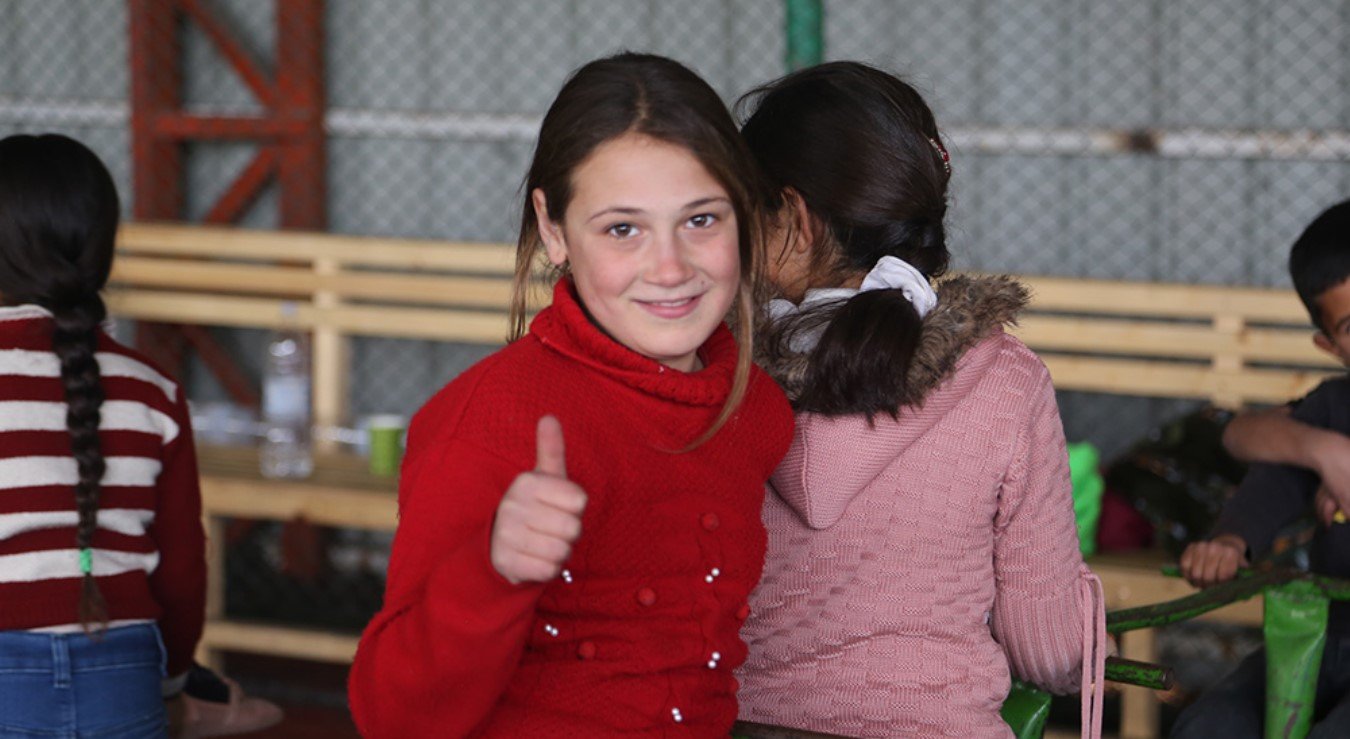
Education has long been recognized as the most powerful tool for breaking cycles of poverty and inequality. Yet for millions of children and adults around the world, quality education remains out of reach due to financial hardship, geographic isolation, conflict, or social barriers. Stepping into this gap are the Best Education Charities, organizations that are not only providing access to learning but also reshaping how education is delivered, funded, and sustained. Their work is transforming lives and communities by making education more inclusive, adaptable, and future-ready.
The Global Education Access Challenge
Despite significant progress over the past few decades, global education systems still face deep-rooted challenges. Many regions struggle with overcrowded classrooms, undertrained teachers, lack of learning materials, and limited digital infrastructure. Girls, refugees, children with disabilities, and marginalized communities are often the most affected.
The Best Education Charities focus on these gaps, targeting populations that traditional systems fail to reach. Instead of offering one-size-fits-all solutions, they design programs that respond to local needs, cultural contexts, and economic realities.
How Best Education Charities Identify Real Needs
One key reason these charities are so effective is their data-driven and community-centered approach. Before launching programs, they conduct needs assessments to understand barriers such as transportation, language, technology access, or social norms.
By collaborating with local educators, parents, and community leaders, the Best Education Charities ensure that their interventions are relevant and sustainable. This grassroots involvement builds trust and increases the long-term impact of educational initiatives.
Expanding Access Through Financial Support
Scholarships and Sponsorship Programs
For many students, the cost of tuition, uniforms, books, or exam fees is the primary obstacle to education. The Best Education Charities address this directly through scholarships, grants, and sponsorship programs that remove financial pressure from families.
These initiatives often go beyond tuition, covering meals, transportation, and healthcare. By addressing the full spectrum of student needs, charities help learners stay in school and focus on academic success.
Reducing Hidden Costs of Education
Even in regions where schooling is technically free, hidden costs can prevent attendance. The Best Education Charities step in to supply textbooks, learning materials, and digital devices, ensuring that economic hardship does not limit educational participation.
Leveraging Technology to Reach the Unreached
Digital Learning Platforms
Technology has become a powerful equalizer in education, and the Best Education Charities are at the forefront of digital innovation. They develop online learning platforms, mobile apps, and offline digital content for areas with limited internet access.
Through virtual classrooms and self-paced courses, learners in remote or conflict-affected regions can access quality education that was previously unavailable. This approach also supports lifelong learning for adults seeking new skills.
Bridging the Digital Divide
Access to technology alone is not enough. The Best Education Charities invest in digital literacy training for both students and teachers, ensuring technology is used effectively. By providing solar-powered devices, low-bandwidth solutions, and community learning hubs, they overcome infrastructure challenges.
Strengthening Teachers and Education Systems
Teacher Training and Professional Development
Teachers are the backbone of any education system. Recognizing this, the Best Education Charities prioritize teacher training, offering workshops, certifications, and mentoring programs.
By equipping educators with modern teaching methods, inclusive practices, and subject-specific expertise, charities improve learning outcomes at scale. Well-trained teachers also become change agents within their communities.
Curriculum Development and Innovation
Many charities collaborate with governments and schools to update outdated curricula. The Best Education Charities integrate critical thinking, digital skills, environmental awareness, and life skills into learning programs, preparing students for real-world challenges.
Promoting Gender Equality in Education
In many parts of the world, girls face significant barriers to education due to cultural norms, early marriage, or safety concerns. The Best Education Charities actively work to close this gender gap.
They provide safe learning environments, mentorship programs, and advocacy campaigns that encourage families to support girls’ education. By educating girls, these charities create ripple effects that improve health, economic stability, and community leadership.
Supporting Education in Crisis and Conflict Zones
Education for Refugees and Displaced Communities
Conflict and natural disasters disrupt education for millions of children each year. The Best Education Charities respond quickly by setting up temporary learning spaces, providing trauma-informed education, and training teachers to support displaced learners.
Education in emergencies offers more than academic knowledge; it provides stability, hope, and a sense of normalcy during times of crisis.
Long-Term Recovery Through Learning
Beyond emergency response, the Best Education Charities focus on long-term recovery by rebuilding schools, reintegrating students into formal systems, and supporting vocational training. This helps communities recover economically and socially.
Empowering Communities Through Adult and Vocational Education
Education is not limited to children. Many Best Education Charities invest in adult education, literacy programs, and vocational training to empower entire communities.
By teaching practical skills such as entrepreneurship, technology, healthcare, and agriculture, charities help individuals secure livelihoods and contribute to local economies. This holistic approach ensures education drives sustainable development.
Measuring Impact and Ensuring Accountability
Transparency and impact measurement are central to the credibility of the Best Education Charities. They track metrics such as enrollment rates, graduation outcomes, literacy improvements, and employment success.
Regular evaluations allow charities to refine programs and demonstrate value to donors and stakeholders. This accountability ensures that resources are used effectively and ethically.
The Role of Partnerships and Global Collaboration
No single organization can solve global education challenges alone. The Best Education Charities collaborate with governments, NGOs, private companies, and international institutions to scale impact.
Public-private partnerships enable innovation, resource sharing, and policy influence. Through collaboration, charities amplify their reach and contribute to systemic change rather than isolated interventions.
How Individuals Can Support Best Education Charities
Supporting education-focused charities does not always require large donations. Individuals can contribute through monthly giving, volunteering, advocacy, or corporate partnerships.
By choosing to support the Best Education Charities, donors become part of a global movement that prioritizes knowledge, equity, and opportunity. Even small contributions can have a lasting impact when combined with strategic programs.
The Future of Education Access
As the world continues to change rapidly, education systems must evolve. The Best Education Charities are leading this transformation by embracing innovation, inclusivity, and resilience.
Their work proves that access to education is not just a policy goal but a shared responsibility. By addressing financial, technological, and social barriers, these charities are building pathways to learning for those who need it most.
Conclusion
The transformative power of education lies in its ability to unlock human potential and create lasting change. Through targeted programs, innovative technology, and community-driven solutions, the Best Education Charities are redefining what access to education looks like in the modern world.
Their impact extends far beyond classrooms, shaping healthier, more equitable, and more prosperous societies. As global challenges persist, the role of these charities will only become more vital in ensuring that education remains a right, not a privilege.
